

Hey there! I'm working with a large power transformers supply business, and today I wanna chat about how these big guys respond to short - circuits. It's a topic that's super important for anyone in the power industry, whether you're an engineer, a facility manager, or just someone interested in how power systems work.
What are Large Power Transformers?
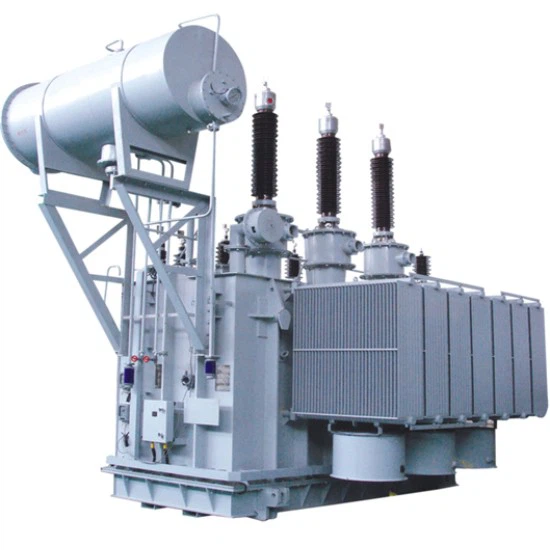
Before we dig into short - circuits, let's quickly talk about what large power transformers are. These are the heavy - duty machines that play a crucial role in power transmission and distribution. They step up or step down voltage levels, making it possible to efficiently move electricity from power plants to our homes and businesses.
We offer a variety of large power transformers, such as Ac Power Transformer, Custom Power Transformers, and High Voltage Power Transformer. Each type has its own unique features and applications, but they all share the same basic function of handling large amounts of electrical power.
Understanding Short - Circuits
A short - circuit is like a shortcut in an electrical circuit. Instead of following the intended path, the electric current takes a different route with very low resistance. This can happen due to a variety of reasons, like damaged insulation, faulty equipment, or even natural disasters. When a short - circuit occurs, a huge amount of current can flow through the circuit in a very short time.
How Large Power Transformers React to Short - Circuits
Mechanical Stress
One of the first things that happens when a short - circuit hits a large power transformer is mechanical stress. The high current flowing through the transformer's windings creates strong magnetic fields. These magnetic fields interact with each other and generate mechanical forces. These forces can be so strong that they can cause the windings to move, deform, or even break.
Imagine a big coil of wire inside the transformer. When a short - circuit happens, it's like someone suddenly gave that coil a really hard tug. The windings are designed to withstand normal operating conditions, but the extreme forces during a short - circuit can push them to their limits. That's why we use high - quality materials and advanced manufacturing techniques to make our transformers more robust and able to handle these mechanical stresses.
Thermal Stress
Another major issue is thermal stress. The large amount of current during a short - circuit generates a lot of heat. The heat is produced due to the resistance in the windings. Just like when you use a toaster, the more current flows through the heating element, the hotter it gets. In a transformer, if the heat isn't dissipated quickly enough, it can damage the insulation around the windings.
Insulation is crucial in a transformer because it keeps the different parts of the electrical circuit separated. Once the insulation is damaged, it can lead to further short - circuits and even complete transformer failure. To deal with thermal stress, our transformers are equipped with cooling systems. These systems can be oil - cooled or air - cooled, depending on the specific requirements of the application.
Electrical Performance Degradation
Short - circuits can also cause a degradation in the electrical performance of the transformer. The sudden surge in current can change the magnetic properties of the core and windings. This can lead to a decrease in the transformer's efficiency and an increase in losses.
For example, the voltage regulation of the transformer might be affected. Voltage regulation is how well the transformer can maintain a stable output voltage under different load conditions. After a short - circuit, the output voltage might fluctuate more than normal, which can cause problems for the electrical equipment connected to the transformer.
Protection and Mitigation Measures
Protective Relays
One of the most common ways to protect large power transformers from short - circuits is by using protective relays. These are devices that monitor the electrical parameters of the transformer, such as current and voltage. When a short - circuit is detected, the relay sends a signal to a circuit breaker, which then interrupts the flow of current. This helps to limit the damage caused by the short - circuit.
Fault Current Limiters
Fault current limiters are another useful tool. These devices are designed to limit the amount of current that can flow during a short - circuit. They work by increasing the impedance of the circuit when a short - circuit occurs. This reduces the stress on the transformer and other electrical equipment in the system.

Regular Maintenance
Regular maintenance is also essential. By inspecting the transformer regularly, we can detect any signs of wear and tear, such as damaged insulation or loose connections. We can then take corrective actions before a short - circuit causes serious damage. This includes things like checking the oil level and quality in oil - cooled transformers, inspecting the cooling fans in air - cooled transformers, and testing the protective relays.
Our Commitment to Quality and Safety
At our company, we take the issue of short - circuits very seriously. We design and manufacture our large power transformers with the highest safety standards in mind. We conduct rigorous testing on all our transformers to ensure that they can withstand short - circuits and other abnormal operating conditions.
Our team of experts is always working on improving our products. We use the latest technologies and research findings to make our transformers more reliable and efficient. Whether it's developing better insulation materials or improving the design of the cooling systems, we're constantly striving to provide the best possible solutions for our customers.
Conclusion
In conclusion, short - circuits are a serious threat to large power transformers. They can cause mechanical stress, thermal stress, and electrical performance degradation. However, with the right protection and mitigation measures, such as protective relays, fault current limiters, and regular maintenance, we can minimize the damage and keep the transformers operating safely.
If you're in the market for a large power transformer, we'd love to talk to you. Whether you need an Ac Power Transformer, a Custom Power Transformers, or a High Voltage Power Transformer, we have the expertise and the products to meet your needs. Reach out to us for more information and let's start a conversation about how we can help you with your power requirements.
References
- "Power System Protection and Switchgear" by J. R. Lucas
- "Transformer Engineering: Design, Technology, and Diagnostics" by G. K. Dubey