

As a supplier of Unit Substation Transformers, I've witnessed firsthand the pivotal role these devices play in modern electrical systems. They are the unsung heroes that step down high-voltage electricity to a level suitable for industrial, commercial, and residential use. However, like any complex piece of equipment, unit substation transformers come with their own set of risks. Understanding these risks is crucial for anyone involved in the design, installation, operation, or maintenance of electrical infrastructure.
1. Electrical Risks
One of the most obvious risks associated with unit substation transformers is electrical shock. These transformers handle high voltages, and even a small mistake during installation, maintenance, or operation can lead to a potentially fatal electric shock. For instance, if a worker comes into contact with live parts of the transformer due to improper insulation or accidental exposure, the consequences can be dire.
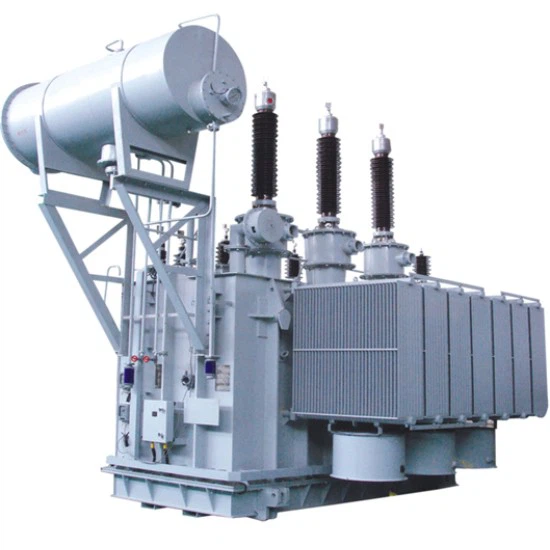

Another electrical risk is short - circuit faults. A short - circuit can occur when there is an unintended connection between two conductors with different electrical potentials. This can cause a sudden and significant increase in current flow, which may damage the transformer windings. The excessive current can generate a large amount of heat, leading to insulation breakdown and potentially causing a fire or explosion.
Overloading is also a common electrical risk. When a transformer is operated beyond its rated capacity, it can overheat. The increased temperature can accelerate the aging of the insulation materials, reducing their effectiveness and lifespan. Eventually, this can lead to insulation failure and subsequent electrical faults. For example, in a commercial building where there is a sudden surge in power demand due to the addition of new equipment, the unit substation transformer may be overloaded if not properly sized or managed.
2. Thermal Risks
Thermal issues are closely related to electrical risks. Transformers generate heat during normal operation due to the resistance in their windings and the magnetic losses in the core. If this heat is not dissipated effectively, it can cause the temperature of the transformer to rise to dangerous levels.
The insulation materials used in transformers are sensitive to temperature. High temperatures can cause the insulation to degrade, losing its ability to prevent electrical arcing. This degradation can lead to short - circuits and other electrical failures. Additionally, excessive heat can cause the expansion of the transformer oil (if it is an oil - filled transformer), which may result in leaks or even a rupture of the transformer tank.
To mitigate thermal risks, proper cooling systems are essential. Most unit substation transformers are equipped with radiators or cooling fans to dissipate heat. However, if these cooling systems malfunction or are not properly maintained, the temperature of the transformer can rise rapidly. For example, a blocked radiator or a failed fan can prevent the efficient transfer of heat, leading to overheating.
3. Mechanical Risks
Unit substation transformers are large and heavy pieces of equipment. During transportation and installation, there is a risk of mechanical damage. For example, if the transformer is not properly secured during transit, it can be subjected to vibrations and shocks that may damage its internal components.
Earthquakes and other seismic events can also pose a significant mechanical risk. The ground motion during an earthquake can cause the transformer to shift, tilt, or even fall. This can damage the windings, the core, and other critical components. In regions prone to earthquakes, special seismic protection measures such as seismic restraints and flexible connections are often required to ensure the stability of the transformer.
Mechanical wear and tear is another concern. The moving parts in the transformer, such as the cooling fans and pumps, can experience wear over time. This can lead to reduced efficiency and eventually failure. Regular maintenance is necessary to detect and replace worn - out parts before they cause a major problem.
4. Environmental Risks
The environment in which a unit substation transformer operates can have a significant impact on its performance and lifespan. Exposure to moisture is a major environmental risk. Moisture can penetrate the insulation materials, reducing their dielectric strength and increasing the risk of electrical breakdown. In humid or coastal areas, the risk of moisture ingress is particularly high.
Corrosion is another environmental issue. The metal components of the transformer, such as the tank and the radiators, can corrode when exposed to harsh environmental conditions. Corrosion can weaken the structural integrity of the transformer and also affect the performance of its electrical components. For example, corroded connections can increase resistance, leading to additional heat generation.
Pollution can also be a problem. In industrial areas, the air may contain dust, chemicals, and other pollutants. These pollutants can accumulate on the surface of the transformer, blocking the cooling fins and reducing the efficiency of the cooling system. They can also react with the insulation materials and other components, causing damage over time.
5. Maintenance - Related Risks
Inadequate maintenance is a significant risk factor for unit substation transformers. Regular maintenance is essential to ensure the safe and reliable operation of the transformer. However, if maintenance tasks are not performed correctly or on schedule, it can lead to problems.
For example, neglecting to check the oil level and quality in an oil - filled transformer can result in insufficient cooling and insulation. Contaminated oil can also cause electrical breakdown and other issues. Similarly, failing to tighten loose connections can lead to increased resistance and overheating.
On the other hand, improper maintenance procedures can also cause damage. For instance, using the wrong type of cleaning agents or tools during maintenance can damage the insulation or other components of the transformer.
Mitigating the Risks
To mitigate these risks, several measures can be taken. Firstly, proper design and sizing of the transformer are crucial. The transformer should be selected based on the expected load and the environmental conditions of the installation site. This ensures that the transformer can operate within its rated capacity and withstand the environmental challenges.
Regular inspections and maintenance are essential. This includes checking the electrical connections, the cooling system, the oil level and quality (if applicable), and the overall condition of the transformer. Any signs of damage or wear should be addressed promptly.
Advanced monitoring systems can also be installed to detect early signs of problems. These systems can monitor parameters such as temperature, current, and voltage, and alert operators if there are any abnormal readings. This allows for proactive maintenance and reduces the risk of major failures.
In addition, safety protocols should be strictly followed during installation, operation, and maintenance. Workers should be properly trained and equipped with the necessary personal protective equipment to prevent electrical shock and other accidents.
Contact for Purchase and Consultation
If you are in the market for a Unit Substation Transformer, Custom Power Transformers, or Ac Power Transformer, we are here to help. Our team of experts can assist you in selecting the right transformer for your specific needs, taking into account all the potential risks and ensuring a safe and reliable electrical supply. Whether you have questions about risk mitigation, installation, or maintenance, we are ready to provide you with the information and support you need. Don't hesitate to reach out to us to start a discussion about your requirements.
References
- Electric Power Substations Engineering, Third Edition by Turan Gonen
- Transformer Engineering: Design, Technology, and Diagnostics by G. K. Dubey