

As a supplier of large power transformers, I've seen firsthand how crucial proper cooling methods are for these hefty pieces of equipment. Large power transformers are the backbone of electrical power systems, stepping up or stepping down voltage to ensure efficient electricity transmission. But they generate a ton of heat during operation, and if not managed correctly, this heat can lead to serious problems like reduced efficiency, premature aging, and even catastrophic failures. So, let's dive into the different cooling methods for large power transformers.
Oil - Immersed Cooling
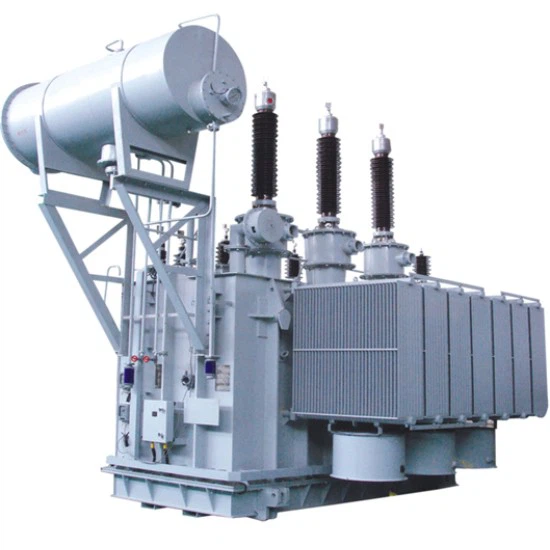
One of the most common cooling methods for large power transformers is oil - immersed cooling. In this setup, the transformer's core and windings are submerged in a special insulating oil. This oil serves a dual purpose: it acts as an electrical insulator and a coolant.
When the transformer is in operation, the heat generated by the core and windings is transferred to the oil. The heated oil then rises to the top of the transformer tank due to its lower density. At the top, the oil is cooled by passing it through external radiators or heat exchangers. The cooled oil then flows back to the bottom of the tank, creating a natural convection cycle.
There are two main types of oil - immersed cooling:
- ONAN (Oil Natural Air Natural): This is the simplest form of oil - immersed cooling. The heat transfer from the oil to the surrounding air occurs naturally, without any forced air or oil circulation. It's a reliable and cost - effective option for smaller to medium - sized large power transformers. However, its cooling capacity is limited, so it may not be suitable for very high - power transformers.
- ONAF (Oil Natural Air Forced): In this method, fans are used to blow air over the radiators, increasing the rate of heat transfer from the oil to the air. This significantly improves the cooling capacity compared to ONAN. ONAF is commonly used for medium to large - sized power transformers. You can learn more about our Custom Power Transformers that may utilize these cooling methods.
Forced - Oil Cooling
For even larger power transformers with extremely high power ratings, forced - oil cooling methods are often employed.
- OFAF (Oil Forced Air Forced): In OFAF cooling, pumps are used to circulate the oil through the transformer and the radiators. At the same time, fans are used to blow air over the radiators. This combination of forced oil and forced air circulation greatly enhances the cooling efficiency. The pumps ensure that the oil is quickly moved from the hot parts of the transformer to the radiators, and the fans help dissipate the heat from the radiators more rapidly.
- ODAF (Oil Directed Air Forced): ODAF is an advanced version of OFAF. In addition to forced oil and forced air circulation, the oil flow is directed to specific areas of the transformer where the heat generation is highest. This targeted cooling approach further improves the cooling effectiveness, allowing the transformer to handle higher power loads. Our Unit Substation Transformer models may incorporate these advanced cooling technologies.
Water - Cooling
Water - cooling is another option for large power transformers, especially in situations where space is limited or where a high - level of cooling efficiency is required.
- Oil - Water Cooling: In this method, a heat exchanger is used to transfer the heat from the transformer oil to water. The water then carries the heat away from the transformer. The cooled oil is then returned to the transformer. This method is very efficient as water has a high specific heat capacity, meaning it can absorb a large amount of heat with only a small increase in temperature.
- Direct Water - Cooling: In some cases, the transformer windings can be directly cooled by water. However, this method requires very strict insulation and water - treatment measures to prevent electrical short - circuits. It's a more complex and expensive option but can provide excellent cooling performance for extremely high - power transformers. Check out our Ac Power Transformer offerings, which might be available with water - cooling options.
Gas - Cooling
Gas - cooling is a less common but emerging option for large power transformers.
- SF6 (Sulfur Hexafluoride) Gas Cooling: SF6 gas is used as both an electrical insulator and a coolant. It has excellent dielectric properties and good heat - transfer capabilities. The transformer is enclosed in a sealed tank filled with SF6 gas. The heat generated by the transformer is transferred to the gas, which is then cooled by passing it through a heat exchanger. SF6 gas - cooled transformers are often used in indoor substations due to their compact size and environmental friendliness compared to some oil - filled transformers.
Factors Affecting Cooling Method Selection
When choosing a cooling method for a large power transformer, several factors need to be considered:

- Power Rating: Higher - power transformers generally require more efficient cooling methods. For example, a small - scale distribution transformer might work well with ONAN cooling, while a large - scale transmission transformer would likely need OFAF or ODAF cooling.
- Location: If the transformer is located in a hot climate or an area with limited ventilation, a more powerful cooling method may be necessary. Outdoor transformers may rely more on air - cooling methods, while indoor transformers might benefit from gas - cooling or water - cooling.
- Cost: The initial cost of the cooling system, as well as the operating and maintenance costs, should be taken into account. For example, water - cooling systems can be more expensive to install and maintain compared to air - cooling systems.
- Environmental Impact: Some cooling methods, like oil - filled transformers, require proper disposal and management to prevent environmental contamination. Gas - cooling methods, on the other hand, need to ensure that the gas is properly contained to avoid greenhouse gas emissions.
Conclusion
Selecting the right cooling method for large power transformers is a critical decision that can have a significant impact on the transformer's performance, lifespan, and cost - effectiveness. As a supplier of large power transformers, we understand the importance of providing the best cooling solutions for our customers. Whether you need a custom - designed transformer with a specific cooling method or a standard unit with reliable cooling, we've got you covered.
If you're in the market for large power transformers and want to discuss the best cooling options for your specific needs, don't hesitate to reach out. We're here to help you make the right choice and ensure that your electrical power system runs smoothly and efficiently.
References
- Electric Power Substations Engineering by Turan Gonen
- Power System Analysis and Design by J. Duncan Glover, Mulukutla S. Sarma, and Thomas J. Overbye