

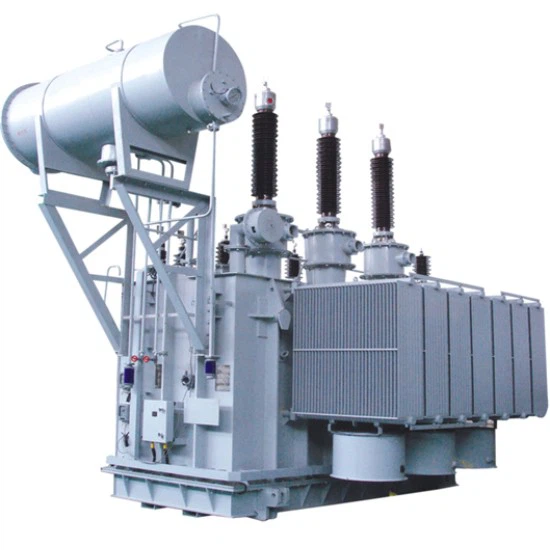
Hey there! As a supplier of Ac Power Transformer, I've seen firsthand how moisture can wreak havoc on these crucial pieces of equipment. AC power transformers are the backbone of many electrical systems, and protecting them from moisture is super important to ensure their long - term performance and reliability. In this blog, I'm gonna share some tips on how to protect an AC power transformer from moisture.
Understanding the Risks of Moisture
First off, let's talk about why moisture is such a big deal for AC power transformers. Moisture can cause a whole bunch of problems. For starters, it can lead to insulation degradation. The insulation in a transformer is there to prevent electrical leakage and ensure efficient operation. When moisture gets in, it can break down the insulation material, reducing its effectiveness and increasing the risk of short - circuits.
Moisture can also cause corrosion of the transformer's internal components. The metal parts inside the transformer, like the windings and core, are vulnerable to rust when exposed to moisture. Corrosion can weaken these components, leading to mechanical failures and reduced lifespan of the transformer.
Initial Installation Considerations
When installing an AC power transformer, location is key. You want to choose a dry and well - ventilated area. Avoid places that are prone to flooding or high humidity, like basements or areas near water sources. If possible, install the transformer on a raised platform to prevent water from pooling around it during heavy rain or flooding.
Proper sealing is also crucial during installation. Make sure all the joints, gaskets, and access panels are tightly sealed. This will prevent moisture from seeping into the transformer enclosure. You can use high - quality silicone gaskets and sealants to ensure a good seal.
Using Desiccants
Desiccants are substances that absorb moisture from the air. Placing desiccant packs inside the transformer enclosure can help keep the internal environment dry. Silica gel is a popular choice for desiccants because it's inexpensive and highly effective at absorbing moisture. You can easily find silica gel packs in various sizes, and they can be replaced once they're saturated.
Some transformers also come with built - in desiccant breathers. These breathers allow air to enter and exit the transformer while removing moisture from the incoming air. They usually contain a desiccant material that traps the moisture, preventing it from reaching the transformer's internal components.
Regular Maintenance and Inspection
Regular maintenance is essential for protecting an AC power transformer from moisture. You should conduct visual inspections of the transformer regularly to check for any signs of moisture ingress, such as water stains or rust. Look for any cracks or damage to the enclosure that could allow moisture to enter.
Check the desiccant packs or breathers regularly. If the desiccant has changed color (indicating it's saturated), replace it immediately. You can also test the insulation resistance of the transformer periodically. A drop in insulation resistance can be a sign of moisture in the insulation.
Monitoring Humidity
Installing a humidity sensor inside the transformer enclosure can help you keep track of the internal humidity levels. If the humidity exceeds a certain threshold, you can take proactive measures to reduce it. For example, you can increase ventilation or replace the desiccant packs more frequently.
Remote monitoring systems can also be very useful. These systems allow you to monitor the humidity and other parameters of the transformer from a central location. You can set up alerts so that you're notified immediately if the humidity levels get too high.
Ventilation
Good ventilation is another important factor in preventing moisture buildup. Adequate airflow helps to remove moisture - laden air from the transformer enclosure and replace it with dry air. You can install fans or vents in the enclosure to improve ventilation.
However, when designing the ventilation system, you need to make sure that it doesn't allow dust or other contaminants to enter the transformer. You can use filters in the vents to prevent the entry of foreign particles.
Protective Coatings
Applying protective coatings to the transformer's external surfaces can provide an extra layer of protection against moisture. There are various types of coatings available, such as epoxy coatings and polyurethane coatings. These coatings can form a barrier that prevents moisture from reaching the metal surfaces of the transformer, reducing the risk of corrosion.
For High Voltage and Custom Transformers
If you're dealing with High Voltage Power Transformer or Custom Power Transformers, the moisture protection requirements may be even more stringent. High - voltage transformers often operate under more extreme conditions, and any moisture - related issues can have more severe consequences.
For custom transformers, the design may be tailored to specific applications, which means the moisture protection measures need to be carefully considered based on the unique requirements of the transformer. You may need to work closely with the manufacturer to ensure that the transformer is properly protected from moisture.
Conclusion
Protecting an AC power transformer from moisture is a multi - faceted process that requires careful planning, proper installation, and regular maintenance. By following the tips I've shared in this blog, you can significantly reduce the risk of moisture - related damage to your transformers.
If you're in the market for AC power transformers or need more information on moisture protection for your existing transformers, don't hesitate to reach out. We're here to help you find the best solutions for your electrical needs. Whether you need a standard AC power transformer or a custom - designed one, we've got you covered. Let's start a conversation about your requirements and see how we can work together to ensure the reliable operation of your electrical systems.

References
- Electrical Power Systems Engineering textbooks
- Manufacturer's guidelines for AC power transformers
- Industry standards on transformer protection and maintenance