

Hey there! I'm a supplier of large power transformers, and today I wanna chat about how these big guys work in coastal areas. It's a pretty interesting topic, especially considering the unique challenges and conditions that coastal regions bring.
First off, let's talk about what a large power transformer actually does. In simple terms, it's a device that transfers electrical energy between two or more circuits through electromagnetic induction. It can step up or step down the voltage of an alternating current (AC), which is crucial for transmitting electricity over long distances and distributing it to homes and businesses.
Now, when it comes to coastal areas, there are a few factors that can affect how these transformers operate. One of the biggest challenges is the saltwater environment. Saltwater is highly corrosive, and it can cause significant damage to the transformer's components over time. The salt in the air can also accumulate on the transformer's surface, leading to electrical arcing and other issues.
To combat these problems, we use special materials and coatings on our transformers. For example, we might use stainless steel or other corrosion-resistant metals for the transformer's enclosure. We also apply protective coatings to the transformer's exterior to prevent saltwater from coming into contact with the internal components. These coatings are designed to be durable and long-lasting, even in harsh coastal conditions.
Another issue in coastal areas is the high humidity. Humidity can cause moisture to build up inside the transformer, which can lead to insulation breakdown and other electrical problems. To prevent this, we use moisture-resistant insulation materials and design our transformers with proper ventilation systems. The ventilation helps to keep the transformer cool and dry, reducing the risk of moisture-related issues.
In addition to the environmental challenges, coastal areas also often have unique electrical requirements. For example, there may be a higher demand for electricity during peak tourist seasons or in areas with large industrial facilities. Our large power transformers are designed to handle these varying loads efficiently and reliably. We can customize our transformers to meet the specific needs of each coastal project, whether it's a small residential community or a large commercial complex.
Let's take a closer look at some of the different types of large power transformers that we offer and how they work in coastal areas.
Custom Power Transformers
Our Custom Power Transformers are designed to meet the specific requirements of each customer. In coastal areas, this can be especially important because every project is unique. We work closely with our clients to understand their electrical needs, including the voltage levels, power capacity, and environmental conditions. Based on this information, we design and build a custom transformer that is optimized for their coastal application.
For example, if a coastal community is experiencing rapid growth and needs to increase its power capacity, we can design a custom transformer with a higher power rating. We can also customize the transformer's size and shape to fit into the available space at the substation. Our custom transformers are built with the latest technology and high-quality materials to ensure reliable performance in coastal environments.
Ac Power Transformer
Ac Power Transformer is the most common type of transformer used in electrical power systems. It works by using electromagnetic induction to transfer electrical energy between two or more circuits. In coastal areas, these transformers play a crucial role in transmitting and distributing electricity from power plants to homes and businesses.
Our AC power transformers are designed to be efficient and reliable, even in the challenging coastal conditions. We use advanced insulation materials and cooling systems to ensure that the transformer operates at optimal temperatures. This helps to extend the transformer's lifespan and reduce the risk of breakdowns. Additionally, our AC power transformers are designed to be compatible with the existing electrical infrastructure in coastal areas, making them easy to install and integrate into the power grid.
High Voltage Power Transformer

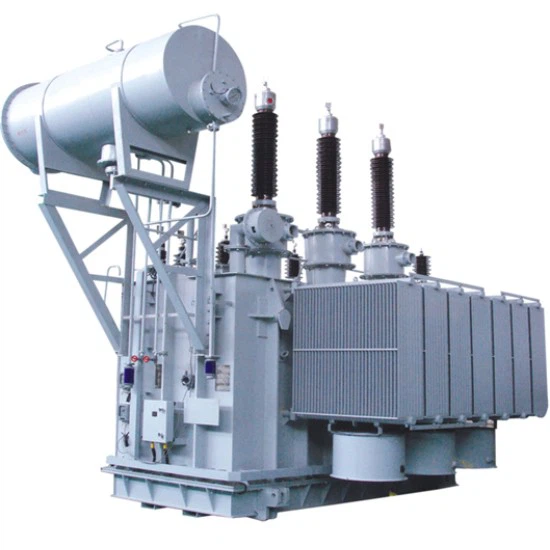
High Voltage Power Transformer are used to step up the voltage of electricity for long-distance transmission. In coastal areas, these transformers are often located at power plants or substations near the coast. They are designed to handle high voltages and large amounts of power, making them essential for transmitting electricity from the power source to the load centers.
Our high voltage power transformers are built with robust insulation systems and advanced cooling technologies to ensure reliable operation in coastal environments. We also use special materials and coatings to protect the transformer from the corrosive effects of saltwater and high humidity. These transformers are rigorously tested to meet the highest industry standards and ensure that they can withstand the demands of coastal power transmission.
So, if you're in the market for large power transformers for a coastal project, we've got you covered. Our team of experts has years of experience in designing and manufacturing transformers for coastal areas. We understand the unique challenges and requirements of these projects, and we're committed to providing high-quality, reliable solutions.
Whether you need a custom power transformer, an AC power transformer, or a high voltage power transformer, we can work with you to find the right solution for your needs. We offer competitive pricing, excellent customer service, and fast delivery times. So, don't hesitate to reach out to us if you have any questions or if you're ready to start a project. Let's work together to ensure that your coastal power system runs smoothly and efficiently.
References
- Electrical Power Systems: Analysis and Design by J. Duncan Glover, Mulukutla S. Sarma, and Thomas J. Overbye
- Power System Engineering by John J. Grainger and William D. Stevenson Jr.