

Power fluctuations are an inevitable aspect of electrical power systems, arising from various sources such as sudden changes in load demand, grid disturbances, and the integration of renewable energy sources. Large power transformers play a pivotal role in handling these fluctuations, ensuring the stable and efficient transmission and distribution of electrical energy. As a leading supplier of large power transformers, we understand the complexities involved in managing power fluctuations and have developed advanced technologies and solutions to address these challenges.
Understanding Power Fluctuations
Power fluctuations can manifest in different forms, including voltage sags, swells, and frequency variations. Voltage sags are short - term reductions in voltage, typically lasting from a few milliseconds to a few seconds. They can be caused by faults in the power grid, such as short - circuits, or by large motor starting currents. Voltage swells, on the other hand, are short - term increases in voltage, often resulting from the sudden disconnection of a large load. Frequency variations occur when the electrical power system's frequency deviates from its nominal value, usually due to imbalances between power generation and consumption.
These power fluctuations can have detrimental effects on electrical equipment and industrial processes. Voltage sags can cause equipment malfunctions, data loss in electronic devices, and disruptions in manufacturing operations. Voltage swells can damage sensitive equipment by subjecting it to excessive voltage levels. Frequency variations can affect the performance of motors, generators, and other frequency - sensitive equipment.
How Large Power Transformers Respond to Power Fluctuations
Voltage Regulation
One of the primary functions of large power transformers in handling power fluctuations is voltage regulation. Transformers can adjust the output voltage based on the input voltage and the load conditions. This is achieved through the use of tap changers, which are devices that can change the turns ratio of the transformer's windings.
There are two main types of tap changers: on - load tap changers (OLTCs) and off - load tap changers (OLTCs). On - load tap changers can change the turns ratio while the transformer is energized and supplying power to the load. This allows for continuous voltage regulation in response to changing load conditions and power fluctuations. Off - load tap changers, as the name suggests, require the transformer to be de - energized before the turns ratio can be changed. They are typically used for coarse voltage adjustments during installation or maintenance.
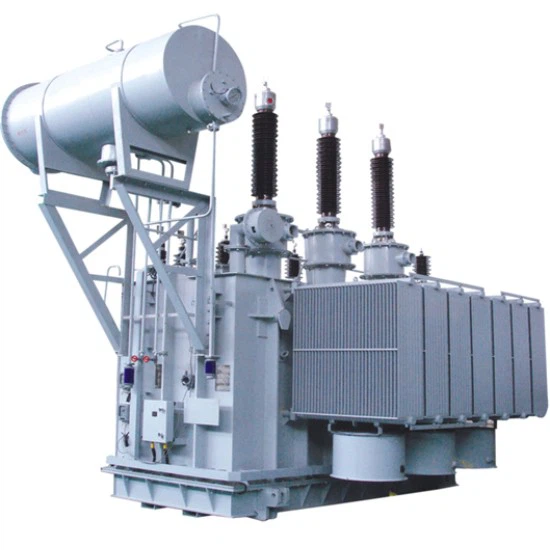

Our large power transformers are equipped with state - of - the - art on - load tap changers that can quickly and accurately adjust the output voltage to maintain a stable voltage level at the load. This helps to protect electrical equipment from the adverse effects of voltage sags and swells.
Impedance Matching
Large power transformers also play a role in impedance matching. Impedance is a measure of the opposition to the flow of alternating current in an electrical circuit. By matching the impedance of the source and the load, transformers can optimize the power transfer efficiency and reduce the impact of power fluctuations.
When there is a power fluctuation, the impedance of the load may change. A well - designed transformer can adjust its impedance characteristics to ensure that the power transfer remains efficient and stable. This is particularly important in high - voltage transmission systems, where even small changes in impedance can have a significant impact on power flow and system stability.
Fault Isolation
In the event of a fault in the power grid, such as a short - circuit, large power transformers can help isolate the fault and prevent it from spreading to other parts of the system. Transformers are designed with protective devices, such as circuit breakers and relays, that can detect abnormal current and voltage levels and quickly disconnect the transformer from the grid.
This fault isolation function is crucial for maintaining the reliability of the power system. By preventing the spread of faults, transformers can minimize the impact of power disruptions on consumers and industrial users.
Advanced Technologies in Large Power Transformers for Power Fluctuation Handling
Smart Transformer Technology
We are at the forefront of developing smart transformer technology to enhance the ability of large power transformers to handle power fluctuations. Smart transformers are equipped with advanced sensors and control systems that can monitor the transformer's operating conditions in real - time.
These sensors can measure parameters such as voltage, current, temperature, and oil quality. The data collected by the sensors is then analyzed by intelligent control systems, which can make informed decisions about voltage regulation, tap changer operation, and fault detection. Smart transformers can also communicate with other devices in the power grid, such as distribution automation systems and energy management systems, to optimize the overall performance of the power system.
Energy Storage Integration
Another emerging technology in large power transformers is the integration of energy storage systems. Energy storage devices, such as batteries and supercapacitors, can be used to store excess energy during periods of low demand and release it during periods of high demand or power fluctuations.
By integrating energy storage systems with large power transformers, we can provide a more stable and reliable power supply. The energy storage system can act as a buffer, absorbing or releasing energy as needed to compensate for power fluctuations and maintain a constant power output.
Our Product Offerings
As a large power transformer supplier, we offer a wide range of products to meet the diverse needs of our customers. Our product portfolio includes Unit Substation Transformer, Custom Power Transformers, and Ac Power Transformer.
Our unit substation transformers are designed for use in industrial and commercial applications, providing reliable power distribution and voltage regulation. Custom power transformers are tailored to the specific requirements of our customers, ensuring optimal performance in unique applications. Our AC power transformers are suitable for high - voltage transmission and distribution systems, offering efficient power transfer and excellent fault - handling capabilities.
Contact Us for Your Transformer Needs
If you are facing challenges related to power fluctuations in your electrical system or are in need of high - quality large power transformers, we invite you to contact us. Our team of experts is ready to provide you with professional advice, customized solutions, and reliable after - sales service. We are committed to helping you ensure the stability and efficiency of your power supply.
References
- Grover, N. K. (2014). Power System Analysis. Tata McGraw - Hill Education.
- Stevenson, W. D. (1982). Elements of Power System Analysis. McGraw - Hill.
- Westinghouse Electric Corporation. (1982). Electrical Transmission and Distribution Reference Book. Westinghouse Electric Corporation.