

Hey there! As a supplier of oil-immersed transformers, I often get asked about the commissioning tests these transformers go through. Commissioning tests are super important as they ensure that the transformer is in top-notch condition and ready to be put into service. So, let's dive right in and take a look at what tests are included in the commissioning test of an oil-immersed transformer.
Visual Inspection
The first step in the commissioning process is a thorough visual inspection. This might sound simple, but it's actually a crucial part of the test. We check for any obvious signs of damage during transportation or manufacturing. This includes looking at the transformer's enclosure for dents, scratches, or any signs of leakage. We also make sure that all the connections are tight and that there are no loose wires.
The oil level in the transformer is another important thing to check. The oil in an oil-immersed transformer serves two main purposes: it cools the transformer and provides electrical insulation. If the oil level is too low, it can lead to overheating and reduced insulation performance. So, we always make sure that the oil level is within the recommended range.
Insulation Resistance Test
Next up is the insulation resistance test. This test measures the resistance of the transformer's insulation to electrical current. A high insulation resistance indicates that the insulation is in good condition, while a low resistance could mean that there is a problem with the insulation, such as moisture ingress or damage.
We use a megohmmeter to perform this test. The megohmmeter applies a high voltage to the transformer's windings and measures the resulting current. Based on Ohm's law (V = IR), we can calculate the insulation resistance. This test is usually done at different points in the transformer, including between the windings and between the windings and the ground.
Turns Ratio Test
The turns ratio test is used to verify the ratio of the number of turns in the primary winding to the number of turns in the secondary winding. This ratio is crucial because it determines the voltage transformation ratio of the transformer. For example, in a step-down transformer, the turns ratio is greater than 1, which means that the secondary voltage is lower than the primary voltage.
To perform the turns ratio test, we apply a known voltage to the primary winding and measure the resulting voltage in the secondary winding. By comparing the measured ratio with the rated turns ratio specified by the manufacturer, we can determine if the transformer is functioning correctly. Any significant deviation from the rated turns ratio could indicate a problem with the winding, such as a short circuit or an open circuit.
Winding Resistance Test
The winding resistance test is used to measure the resistance of the transformer's windings. This test is important because it can help us detect any problems with the windings, such as loose connections or damaged conductors.
We use a low-resistance ohmmeter to measure the winding resistance. By measuring the resistance at different points in the winding, we can ensure that the resistance is uniform throughout the winding. Any significant variation in the resistance could indicate a problem with the winding.
Core Insulation Resistance Test
The core of an oil-immersed transformer is made of laminated steel sheets, and it's important to ensure that the insulation between these sheets is in good condition. The core insulation resistance test measures the resistance between the core and the ground. A low core insulation resistance could indicate that there is a problem with the core insulation, such as moisture ingress or damage.
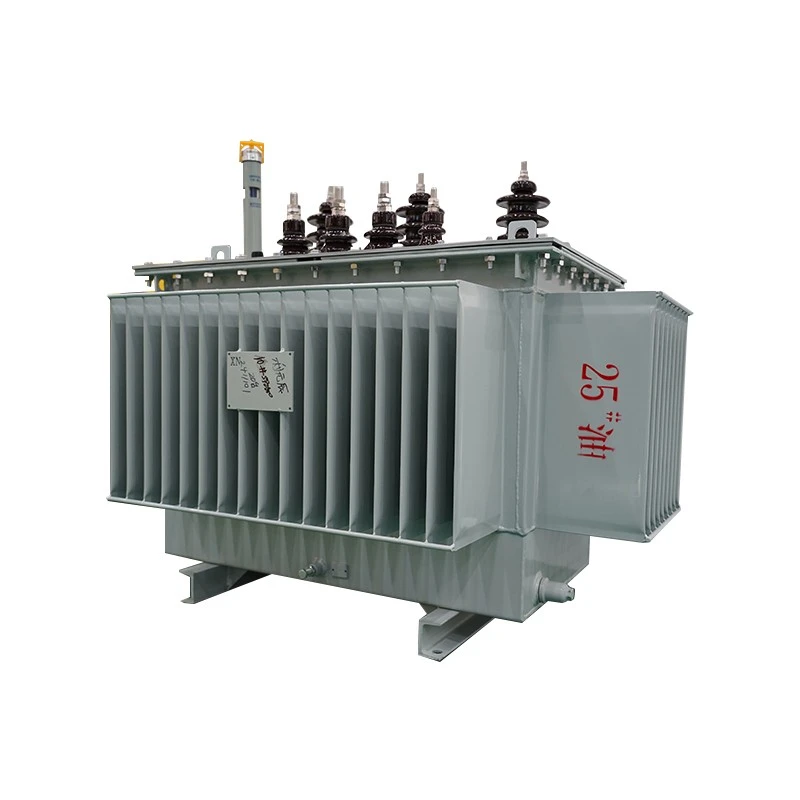

We use a megohmmeter to perform this test, just like in the insulation resistance test for the windings. By measuring the core insulation resistance, we can ensure that the core is properly insulated and that there is no electrical leakage to the ground.
Oil Quality Test
As I mentioned earlier, the oil in an oil-immersed transformer plays a crucial role in cooling and insulation. So, it's important to test the quality of the oil. The oil quality test includes several sub-tests, such as the dielectric strength test, the moisture content test, and the dissolved gas analysis.
The dielectric strength test measures the ability of the oil to withstand electrical stress without breaking down. A low dielectric strength could indicate that the oil is contaminated or has deteriorated. The moisture content test measures the amount of moisture in the oil. Moisture can reduce the dielectric strength of the oil and cause corrosion in the transformer. The dissolved gas analysis involves analyzing the gases dissolved in the oil. Different types of faults in the transformer can produce different gases, so by analyzing the gas composition, we can detect potential problems in the transformer.
Temperature Rise Test
The temperature rise test is used to determine how much the temperature of the transformer will increase when it is operating under normal load conditions. This test is important because excessive temperature rise can reduce the lifespan of the transformer and increase the risk of failure.
During the temperature rise test, we apply a load to the transformer and monitor the temperature of the windings and the oil. We continue the test until the temperature reaches a steady state. By comparing the measured temperature rise with the rated temperature rise specified by the manufacturer, we can determine if the transformer is operating within the acceptable temperature range.
Short Circuit Test
The short circuit test is used to determine the impedance of the transformer and to verify its ability to withstand short circuit currents. During the short circuit test, we short-circuit the secondary winding of the transformer and apply a reduced voltage to the primary winding. By measuring the current and the voltage, we can calculate the impedance of the transformer.
This test is important because it helps us ensure that the transformer can handle short circuit currents without being damaged. A transformer with a low impedance will have a higher short circuit current, which can put more stress on the transformer. So, it's important to make sure that the impedance of the transformer is within the acceptable range.
No-Load Test
The no-load test is used to determine the core losses of the transformer. During the no-load test, we apply the rated voltage to the primary winding of the transformer while the secondary winding is open-circuited. By measuring the current and the power input, we can calculate the core losses of the transformer.
The core losses include hysteresis losses and eddy current losses. These losses occur in the core of the transformer due to the alternating magnetic field. By measuring the core losses, we can ensure that the transformer is operating efficiently and that there are no excessive losses in the core.
Overvoltage Test
The overvoltage test is used to verify the ability of the transformer to withstand overvoltage conditions. During the overvoltage test, we apply a higher than rated voltage to the transformer for a short period of time. This test helps us ensure that the insulation of the transformer can withstand overvoltage events, such as lightning strikes or switching surges.
Conclusion
So, there you have it! These are the main tests that are included in the commissioning test of an oil-immersed transformer. By performing these tests, we can ensure that the transformer is in good condition and ready to be put into service.
If you're in the market for an oil-immersed transformer, we offer a wide range of options, including Oil Immersed Self Cooled Transformer, Three Phase Oil Immersed Transformer, and Oil Immersed Hermetically Sealed Type Transformer. If you have any questions or are interested in discussing a potential purchase, feel free to reach out to us. We'd be happy to help you find the right transformer for your needs.
References
- Electrical Power Systems by Turan Gonen
- Transformer Engineering: Design, Technology, and Diagnostics by G. S. Mudaliar