

Hey there! I'm a supplier of immersed transformers, and I often get asked about what kind of lightning protection devices are suitable for these transformers. So, I thought I'd share my thoughts on this topic in this blog post.
First off, let's understand why lightning protection is crucial for immersed transformers. Lightning strikes can generate extremely high - voltage surges. These surges can easily damage the insulation of the transformer windings, lead to short - circuits, and even cause a complete breakdown of the transformer. That's why having the right lightning protection devices is a must.
Surge Arresters
One of the most common and effective lightning protection devices for immersed transformers is the surge arrester. Surge arresters work by diverting the high - voltage surge caused by a lightning strike to the ground. They have a non - linear resistance characteristic. Under normal operating voltages, the arrester has a very high resistance, so it doesn't affect the normal operation of the transformer. But when a high - voltage surge hits, its resistance drops significantly, allowing the surge current to flow safely to the ground.
There are different types of surge arresters available. For example, metal - oxide surge arresters are widely used. They offer excellent protection due to their fast response time and high energy absorption capacity. They can handle multiple lightning strikes without significant degradation. When choosing a surge arrester for an immersed transformer, you need to consider factors like the rated voltage of the transformer, the expected magnitude of the lightning surges in the area, and the energy absorption requirements.
Lightning Rods
Lightning rods, also known as air terminals, are another option for protecting immersed transformers. They are installed at the top of the transformer or in the vicinity. The basic principle of a lightning rod is to provide a preferred path for the lightning to strike. When a lightning cloud passes over, the lightning rod creates a strong electric field that attracts the lightning. Once the lightning strikes the rod, the current is then safely conducted to the ground through a down - conductor and a grounding system.
However, lightning rods have some limitations. They mainly protect the immediate area around them. For large - scale transformer installations, multiple lightning rods may be required to ensure comprehensive protection. Also, they need to be properly installed and maintained. The down - conductor should have low resistance to ensure that the lightning current can flow smoothly to the ground.
Grounding Systems
A proper grounding system is an essential part of lightning protection for immersed transformers. It provides a low - resistance path for the lightning current to dissipate into the ground. A good grounding system consists of grounding electrodes, such as ground rods or grounding grids, and the connections between them.
The grounding resistance should be kept as low as possible. A high grounding resistance can cause the voltage at the grounding point to rise during a lightning strike, which may lead to back - flashover and damage the transformer. Regular testing of the grounding resistance is necessary to ensure its effectiveness.
Coordination of Protection Devices
It's not just about installing individual lightning protection devices. The key is to ensure that all the devices work together in a coordinated manner. For example, the surge arrester and the grounding system should be properly matched. If the grounding resistance is too high, the surge arrester may not be able to divert the lightning current effectively.
Also, the lightning rod and the surge arrester should complement each other. The lightning rod can intercept the direct lightning strike, while the surge arrester can handle the residual surges that may still reach the transformer.
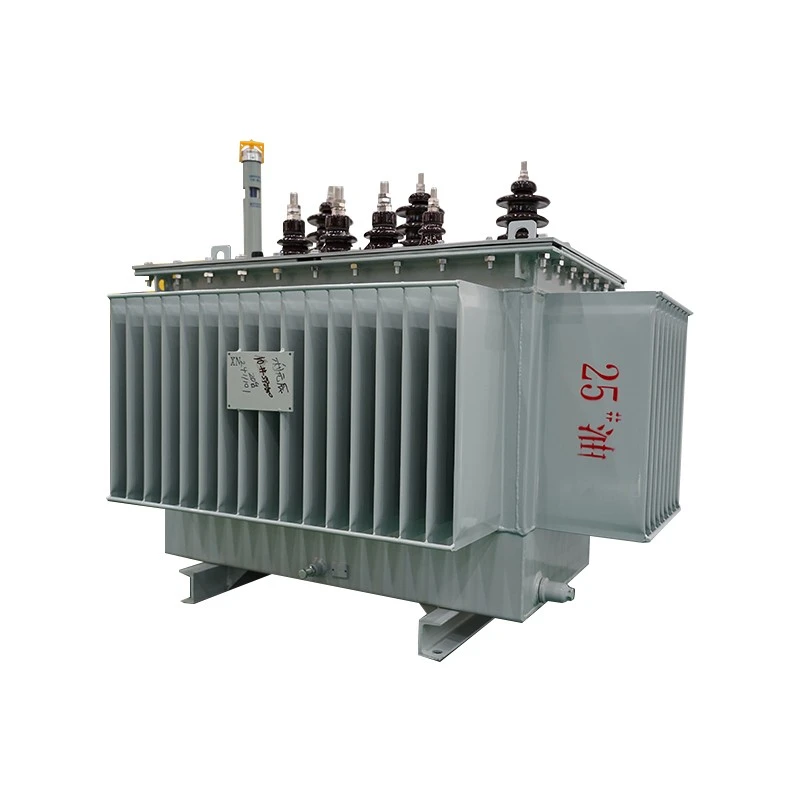
Now, let's talk about the types of immersed transformers we supply. We offer a wide range of products, including the Amorphous Metal Transformer, which is known for its high energy efficiency. These transformers have a unique core material that reduces energy losses, making them an environmentally - friendly choice.
Our Oil Immersed Self Cooled Transformer is another popular option. It uses oil as a cooling medium and can operate without the need for additional cooling equipment in many cases. This makes it a cost - effective solution for various applications.
We also have Three Phase Transformer in our product lineup. Three - phase transformers are widely used in industrial and commercial power systems to transfer electrical energy between different voltage levels.
When it comes to choosing the right lightning protection devices for these transformers, the principles are the same. But depending on the specific characteristics of each type of transformer, such as its voltage rating, capacity, and installation environment, the selection of protection devices may vary slightly.
In conclusion, protecting immersed transformers from lightning is a complex but necessary task. By choosing the right combination of surge arresters, lightning rods, and a proper grounding system, and ensuring their coordination, we can significantly reduce the risk of lightning - related damage to the transformers.

If you're in the market for immersed transformers or need advice on lightning protection for your existing transformers, don't hesitate to get in touch. We're here to help you make the right choices and ensure the reliable operation of your power systems.
References
- "Lightning Protection Handbook" by some well - known experts in the field.
- Technical documents from major lightning protection device manufacturers.