

Hey there! As a supplier of amorphous metal cores, I often get asked about the suitable frequency range for these nifty little components. So, I thought I'd sit down and share some insights on this topic.
First off, let's quickly understand what amorphous metal cores are. They're made from a special type of metal alloy that has a non - crystalline atomic structure. This unique structure gives them some pretty awesome magnetic properties, like low core loss and high magnetic permeability. These features make them super popular in transformers and other electrical devices.
Now, onto the frequency range. The suitable frequency range for an amorphous metal core can vary depending on several factors, but generally, they work well in the medium - frequency range. Most commonly, they can operate effectively from around 50 Hz to a few kilohertz.
Low - Frequency Operation (50 - 60 Hz)
The classic power frequency used in most countries around the world is either 50 Hz or 60 Hz. Amorphous metal cores shine in this range. In power distribution transformers, for example, they can significantly reduce core losses compared to traditional silicon steel cores. This means less energy is wasted as heat, and the overall efficiency of the transformer goes up.
For instance, Amorphous Metal Transformer that use amorphous metal cores are becoming increasingly popular in the power grid. They can handle the low - frequency power flow smoothly, and the reduced losses translate into cost savings over the long run. Utility companies are really starting to take notice of this, as it helps them meet energy efficiency targets and reduce their environmental footprint.
Medium - Frequency Operation (up to a few kHz)
As we move up the frequency scale, into the medium - frequency range (say, up to 20 kHz or so), amorphous metal cores still perform quite well. In applications like some types of industrial power supplies and certain types of high - efficiency motors, the ability to operate at these frequencies is crucial.
The high magnetic permeability of amorphous metal cores allows for smaller and more compact designs at these frequencies. This is a big deal in modern electronics, where space is often at a premium. You can fit more functionality into a smaller package, which is a win - win for both manufacturers and end - users.
However, as we get closer to the upper end of this medium - frequency range, there are some challenges. The core losses do start to increase a bit, mainly due to eddy currents and hysteresis losses. But with proper design and engineering, these losses can be managed effectively.
High - Frequency Limitations
When we start talking about frequencies above a few kilohertz, the performance of amorphous metal cores starts to degrade. You see, at high frequencies, the eddy currents induced in the core become a major issue. These eddy currents cause additional heating and increased core losses, which can quickly eat into the efficiency of the device.
So, while it's possible to use amorphous metal cores at higher frequencies, it's not really their sweet spot. There are other materials, like ferrite cores, that are better suited for high - frequency applications (usually in the MHz range).
Factors Affecting the Frequency Range
It's not just the frequency itself that matters. There are other factors that can influence the suitable frequency range for an amorphous metal core.
Core Thickness
The thickness of the amorphous metal strip used to make the core plays a big role. Thinner strips generally have lower eddy current losses, which means they can handle higher frequencies better. Manufacturers can adjust the thickness of the strip during the production process to optimize the core for a particular frequency range.
Core Design
The way the core is designed also matters. Different core shapes and winding configurations can affect how the magnetic field interacts with the core material. A well - designed core can help reduce losses and improve performance across the frequency range.
Operating Temperature
The temperature at which the core operates can have an impact on its performance, especially at higher frequencies. Higher temperatures can increase the core losses, so it's important to ensure proper cooling in applications where the core is likely to get hot.
Real - World Applications
Let's take a look at some real - world applications where the frequency range of amorphous metal cores is critical.
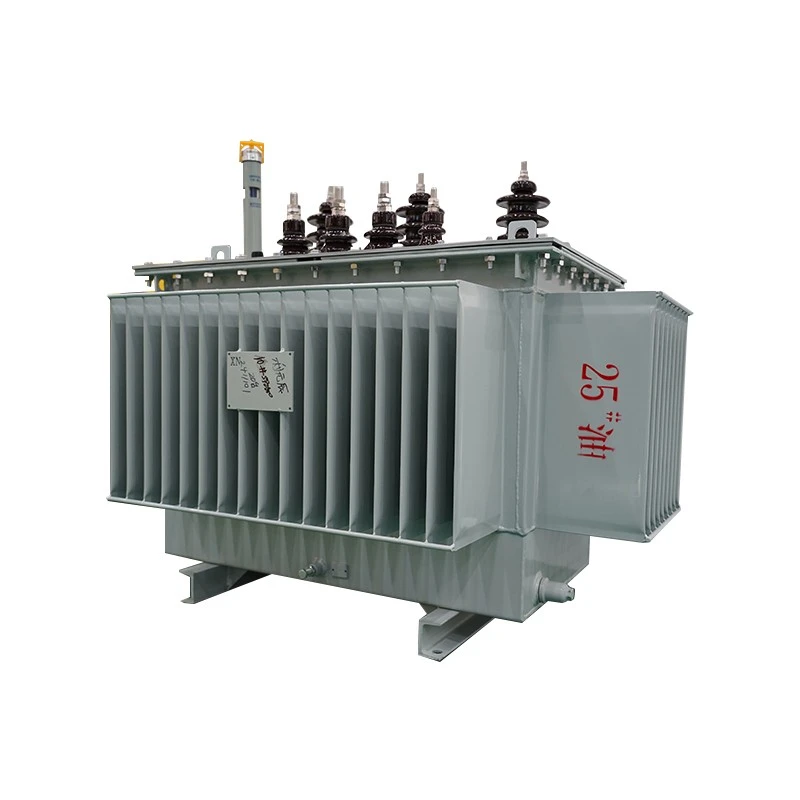
Oil Immersed Self Cooled Transformer
Oil Immersed Self Cooled Transformer are commonly used in power distribution networks. These transformers typically operate at the standard 50 or 60 Hz power frequency. Amorphous metal cores are a great choice here because of their low losses. The oil in these transformers helps with cooling, but the reduced core losses from the amorphous metal core mean less heat is generated in the first place. This leads to a longer lifespan for the transformer and more reliable operation.
Three Phase Oil Immersed Transformer
Three Phase Oil Immersed Transformer are used in larger industrial and commercial power systems. They also operate at the standard power frequencies. The three - phase design requires a core that can handle the complex magnetic fields generated by the multiple phases. Amorphous metal cores with their high magnetic permeability and low losses are well - suited to this task. They can ensure smooth and efficient power transfer, which is essential for keeping industrial processes running smoothly.

Conclusion
So, to sum it up, the suitable frequency range for an amorphous metal core is generally from 50 Hz to a few kilohertz. They're fantastic at the standard power frequencies of 50 or 60 Hz, where they can significantly reduce core losses and improve the efficiency of power transformers. In the medium - frequency range, they can still perform well, offering compact designs and high - performance capabilities. But as we move into the high - frequency range, their performance starts to decline, and other materials are usually a better choice.
If you're in the market for amorphous metal cores for your electrical devices or transformers, and you're wondering about the frequency requirements for your specific application, don't hesitate to reach out. I'm here to help you find the right core that will meet your needs and deliver optimal performance. Whether you're a small electronics manufacturer or a large utility company, we can work together to find the perfect solution. Let's start a conversation about your project and see how our amorphous metal cores can make a difference.
References
- "Magnetic Materials for Power Electronics" by some well - known experts in the field.
- Industry reports on the use of amorphous metal cores in transformers and electrical devices.