

Hey there! As a supplier of amorphous steel cores, I've seen firsthand how crucial these components are in various electrical applications, like Oil Immersed Hermetically Sealed Type Transformer, Three Phase Oil Immersed Transformer, and Oil Immersed Self Cooled Transformer. Today, I wanna talk about something that can really mess with the performance of these cores: chemical corrosion.
Let's start by getting a basic understanding of what amorphous steel cores are. These cores are made from a special type of steel that has a non - crystalline atomic structure. This gives them some pretty awesome properties, like low core loss, high permeability, and good electrical conductivity. That's why they're so popular in transformers and other electrical equipment. They help make these devices more energy - efficient and reliable.

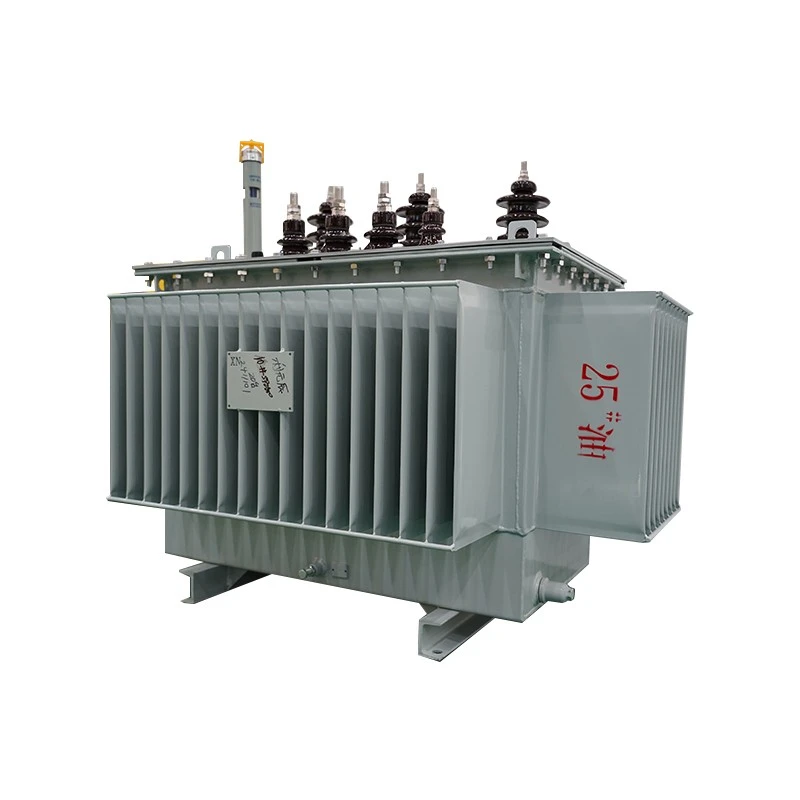
But here's the catch: amorphous steel cores aren't invincible. Chemical corrosion can have a significant impact on their performance. Chemical corrosion is basically a chemical reaction between the steel and substances in its environment, like oxygen, moisture, and various chemicals.
One of the most common forms of corrosion is oxidation. When amorphous steel is exposed to oxygen, especially in the presence of moisture, it forms iron oxide (rust). Rust isn't just an eyesore; it can cause some serious problems for the core. For starters, it can increase the electrical resistance of the core. Since electrical resistance is the enemy of energy efficiency, this means that the transformer or other equipment using the core will have to work harder to achieve the same level of performance. That translates to higher energy consumption and increased operating costs.
Another issue with oxidation is that it can weaken the physical structure of the core. Rust is brittle and can flake off, which can lead to cracks and other physical damage in the core. A damaged core is less able to maintain its shape and integrity, which can further degrade its magnetic properties. This can result in reduced magnetic flux density and increased magnetic losses, both of which are bad news for the performance of the electrical equipment.
In addition to oxidation, amorphous steel cores can also be affected by other types of chemical corrosion. For example, if the core is exposed to acidic or alkaline substances, it can undergo a chemical reaction that alters its composition. Acids can dissolve the steel, while alkalis can react with the surface of the steel to form different compounds. These reactions can change the electrical and magnetic properties of the core, leading to reduced performance and potentially even premature failure of the equipment.
The presence of pollutants in the environment can also contribute to corrosion. In industrial areas, for example, there may be high levels of sulfur dioxide, nitrogen oxides, and other pollutants in the air. These pollutants can react with moisture in the air to form acids, which can then corrode the amorphous steel core. Even in less industrial settings, things like salt spray in coastal areas can be a problem. Salt is highly corrosive and can accelerate the corrosion process.
So, how can we tell if a core is being affected by corrosion? One way is to look for visual signs. Rust, discoloration, and physical damage are all obvious indicators. However, sometimes the damage may not be visible on the surface. In these cases, more advanced testing methods may be needed. Electrical testing can be used to measure the resistance and other electrical properties of the core. If these properties have changed significantly from their normal values, it could be a sign of corrosion. Magnetic testing can also be used to check the magnetic properties of the core.
Once we've identified that corrosion is a problem, what can we do about it? There are several strategies for preventing and mitigating corrosion. One of the simplest ways is to protect the core from its environment. This can be done by using coatings. There are various types of coatings available, such as epoxy coatings and zinc coatings. These coatings act as a barrier between the steel and the corrosive substances in the environment, preventing them from coming into direct contact with the core.
Another approach is to control the environment in which the core operates. For example, in a transformer, the oil can act as a protective medium. The oil can prevent oxygen and moisture from reaching the core, reducing the risk of corrosion. Regular maintenance of the oil, such as filtering and replacing it when necessary, is important to ensure its effectiveness.
In some cases, it may also be possible to use corrosion inhibitors. These are chemicals that can be added to the environment to slow down or prevent the corrosion process. They work by either forming a protective film on the surface of the steel or by interfering with the chemical reactions that cause corrosion.
As a supplier of amorphous steel cores, I understand the importance of providing high - quality products that can withstand the challenges of corrosion. That's why we take several steps to ensure the durability of our cores. We use advanced manufacturing processes to produce cores with a uniform and stable structure, which makes them more resistant to corrosion. We also offer a range of coating options to protect the cores during transportation and storage, as well as in their final application.
If you're in the market for amorphous steel cores, it's important to consider the potential impact of corrosion on your equipment. Don't just focus on the initial cost of the core; think about the long - term performance and maintenance requirements. A high - quality, corrosion - resistant core may cost a bit more upfront, but it can save you a lot of money in the long run by reducing energy consumption and maintenance costs.
So, if you're interested in learning more about our amorphous steel cores or have any questions about how to protect them from corrosion, feel free to reach out. We're here to help you find the best solution for your electrical equipment needs. Whether you're looking for cores for Oil Immersed Hermetically Sealed Type Transformer, Three Phase Oil Immersed Transformer, or Oil Immersed Self Cooled Transformer, we've got you covered. Let's have a chat and see how we can work together to improve the performance and efficiency of your electrical equipment.
References
- "Corrosion of Metals" by Uhlig, H. H. and Revie, R. W.
- "Handbook of Amorphous Metals" edited by Maddin, R.
- "Electrical Power Transformer Engineering" by Gul, A.