

As a supplier of immersed transformers, I've encountered numerous inquiries regarding the differences between on - load tap changers (OLTCs) and off - load tap changers (OLTCs). These components play a crucial role in the operation and performance of immersed transformers, and understanding their distinctions is essential for making informed decisions when it comes to transformer selection and application.
What are On - Load Tap Changers and Off - Load Tap Changers?
Let's start by defining these two types of tap changers. A tap changer is a device used to adjust the turns ratio of a transformer, which in turn changes the output voltage.
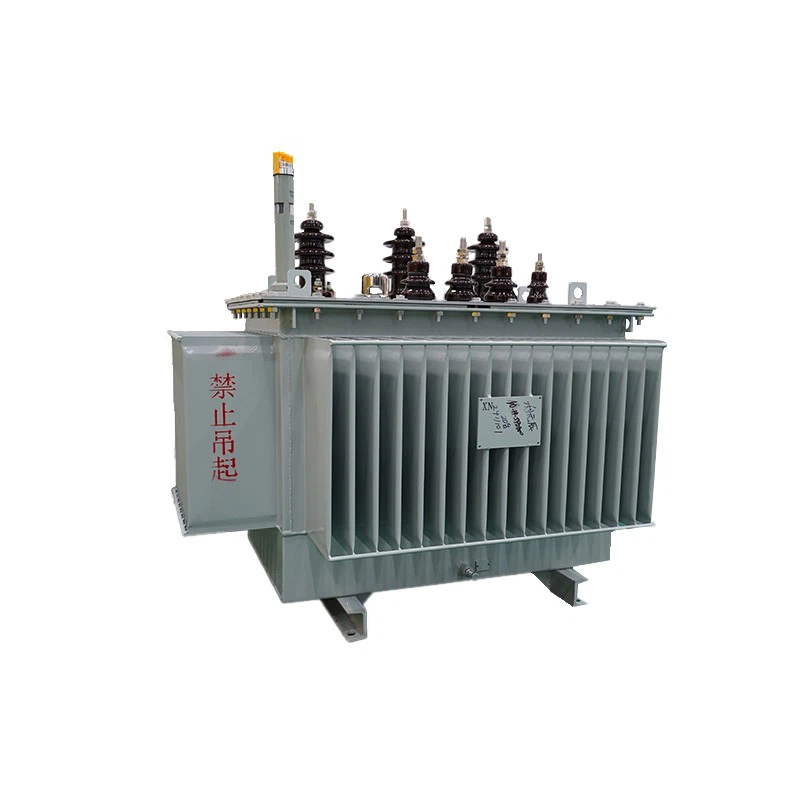

An off - load tap changer (OLTC) is a simple and cost - effective solution. As the name suggests, it can only be operated when the transformer is de - energized. This means that any voltage adjustment requires the transformer to be taken out of service. OLTCs are typically used in applications where the voltage variation is infrequent and can tolerate short periods of downtime for adjustment.
On the other hand, an on - load tap changer (OLTC) allows for voltage adjustment while the transformer is still in operation. It can change the tap position without interrupting the power supply, which is extremely valuable in applications where continuous power is critical.
Technical Differences
1. Operation Mechanism
- Off - Load Tap Changer: The operation of an OLTC is relatively straightforward. It consists of a set of fixed taps on the transformer winding. When an adjustment is needed, the transformer is first disconnected from the power source. Then, the operator manually moves a selector switch to a different tap position. This changes the number of turns in the winding, thereby altering the turns ratio and the output voltage.
- On - Load Tap Changer: OLTCs have a more complex operation mechanism. They use a transition resistor or a transition reactor to ensure a smooth transfer of current between taps. When a tap change is initiated, the OLTC first connects the transition element to the circuit. This provides a temporary path for the current while the tap is being changed. Once the new tap is connected, the transition element is disconnected, and the normal current flow resumes.
2. Construction
- Off - Load Tap Changer: OLTCs are generally simpler in construction. They have fewer components and do not require complex switching mechanisms or transition elements. This simplicity makes them more affordable and easier to maintain.
- On - Load Tap Changer: OLTCs are more complex and robustly built. They need to withstand the electrical and mechanical stresses associated with making tap changes under load. The construction includes a motor - drive mechanism for automatic operation, a diverter switch for current transfer, and a control system to manage the tap - changing process.
3. Safety Considerations
- Off - Load Tap Changer: Since OLTCs are operated when the transformer is off - load, the risk of electrical shock is significantly reduced. However, proper safety procedures still need to be followed during the de - energization and re - energization process.
- On - Load Tap Changer: OLTCs operate under live conditions, which means there is a higher risk of electrical hazards. Special safety features are incorporated into the design, such as interlocks and protective enclosures, to prevent accidental contact with live parts.
Performance and Application Differences
1. Voltage Regulation
- Off - Load Tap Changer: OLTCs provide a fixed voltage adjustment. Once the tap is changed, the output voltage remains constant until the next adjustment. They are suitable for applications where the load characteristics are relatively stable and the voltage variation is within a narrow range.
- On - Load Tap Changer: OLTCs offer continuous voltage regulation. They can respond to changes in the load and the grid voltage in real - time, maintaining a stable output voltage. This makes them ideal for applications where the load is dynamic, such as industrial plants and large commercial buildings.
2. Application Scenarios
- Off - Load Tap Changer: OLTCs are commonly used in small - scale distribution transformers, rural power systems, and applications where the cost is a major concern. For example, in a small village where the power demand is relatively stable and short - term power outages for tap adjustment are acceptable, an OLTC - equipped transformer would be a suitable choice.
- On - Load Tap Changer: OLTCs are widely used in high - voltage transmission and distribution systems, power plants, and critical industrial applications. In a large manufacturing plant, where any interruption in power supply can lead to significant production losses, an OLTC - equipped transformer ensures continuous and stable power supply.
Our Product Offerings
As an immersed transformer supplier, we offer a wide range of products equipped with both on - load and off - load tap changers. Our Oil Immersed Self Cooled Transformer is a popular choice for applications where natural cooling is sufficient. It can be configured with either an OLTC or an OLTC depending on the specific requirements.
Our Oil Immersed Hermetically Sealed Type Transformer provides enhanced protection against environmental factors. This type of transformer is often used in harsh outdoor environments and can also be customized with different tap - changing options.
In addition, our Three Phase Oil Immersed Transformer is suitable for three - phase power systems. Whether you need an OLTC for continuous voltage regulation or an OLTC for cost - effective voltage adjustment, we can provide the right solution for your needs.
Conclusion
In summary, the choice between an on - load tap changer and an off - load tap changer depends on several factors, including the application requirements, the load characteristics, and the budget. OLTCs are a simple and cost - effective option for applications with infrequent voltage adjustments and can tolerate short - term downtime. OLTCs, on the other hand, are essential for applications where continuous power supply and real - time voltage regulation are critical.
If you are in the market for an immersed transformer and need assistance in selecting the right tap - changing option, please feel free to contact us. Our team of experts is ready to provide you with professional advice and solutions tailored to your specific needs.
References
- Electric Power Systems: A Conceptual Introduction, by Richard G. Pratt
- Transformer Engineering: Design, Technology, and Diagnostics, by G. Venkata Rao