

Understanding the technical specifications of an oil-immersed transformer is crucial for both suppliers and buyers. As an oil-immersed transformer supplier, I've had the privilege of working with a wide range of clients, from small businesses to large industrial complexes. In this blog post, I'll share my insights on how to make sense of these technical details, ensuring that you can make informed decisions when it comes to purchasing the right transformer for your needs.
1. Basic Concepts of Oil-Immersed Transformers
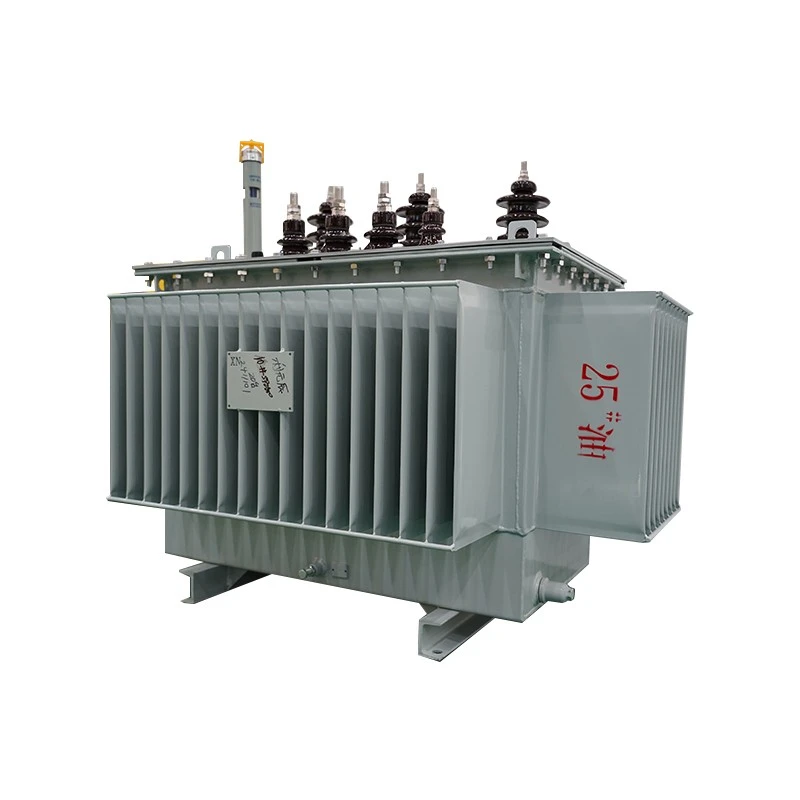
Oil-immersed transformers are widely used in power distribution systems due to their excellent insulation and cooling properties. The transformer consists of a core, windings, and insulating oil. The core is typically made of laminated silicon steel, which reduces eddy current losses. The windings are made of copper or aluminum conductors, and the insulating oil not only provides electrical insulation but also helps in dissipating heat generated during operation.
2. Key Technical Specifications
2.1 Rated Power
The rated power, measured in kilovolt-amperes (kVA) or megavolt-amperes (MVA), is one of the most important specifications. It indicates the maximum amount of electrical power that the transformer can handle continuously under normal operating conditions. When selecting a transformer, it's essential to choose one with a rated power that can meet your current and future load requirements. For example, if you're running a small factory with a total load of 500 kVA, you might consider a transformer with a rated power of 630 kVA to allow for some growth in the future.
2.2 Voltage Ratings
Transformers have primary and secondary voltage ratings. The primary voltage is the input voltage, while the secondary voltage is the output voltage. These ratings are crucial as they determine how the transformer will interface with the power grid and your electrical equipment. For instance, in a typical industrial setting, the primary voltage might be 11 kV, and the secondary voltage could be 400 V. Make sure that the voltage ratings of the transformer match your power supply and load requirements. You can find more information about different types of transformers, including Transformer Three Phase, which are designed to handle specific voltage and power requirements.
2.3 Impedance
The impedance of a transformer is expressed as a percentage and represents the opposition to the flow of alternating current. It plays a significant role in determining the short-circuit current and the voltage regulation of the transformer. A lower impedance value means that the transformer can supply more short-circuit current, which is important for protecting electrical equipment during a fault. However, it also affects the voltage regulation. Higher impedance transformers tend to have better voltage regulation but lower short-circuit current capabilities.
2.4 Cooling Method
Oil-immersed transformers can have different cooling methods, such as Oil Immersed Self Cooled Transformer and forced-air or forced-oil cooling. Self-cooled transformers rely on natural convection of the insulating oil to dissipate heat, making them suitable for smaller applications or areas with low ambient temperatures. For larger transformers or those operating in high-temperature environments, forced-air or forced-oil cooling methods may be required to maintain optimal operating temperatures.
2.5 Insulation Class
The insulation class of a transformer indicates the maximum temperature that the insulation materials can withstand without significant degradation. Common insulation classes for oil-immersed transformers include A, B, F, and H. Higher insulation classes can tolerate higher temperatures, which means the transformer can operate at higher loads or in warmer environments. However, they also tend to be more expensive. When choosing a transformer, consider the ambient temperature and the expected load conditions to select the appropriate insulation class.
3. Understanding Nameplate Information
The nameplate of an oil-immersed transformer contains a wealth of information about its technical specifications. It typically includes the rated power, voltage ratings, impedance, cooling method, insulation class, and other important details. Here's a breakdown of some common nameplate information:
- Manufacturer's Name and Model Number: This helps in identifying the specific transformer and obtaining technical support or replacement parts.
- Serial Number: A unique identifier for the transformer, which can be used for tracking and maintenance purposes.
- Date of Manufacture: Knowing the age of the transformer can give you an idea of its remaining useful life and potential maintenance requirements.
- Connection Diagram: This shows how the primary and secondary windings are connected, which is important for proper installation and operation.
4. Analyzing Performance Data
In addition to the technical specifications on the nameplate, it's also important to analyze the performance data provided by the manufacturer. This may include efficiency curves, temperature rise data, and no-load and load losses.
4.1 Efficiency
The efficiency of a transformer is the ratio of the output power to the input power, expressed as a percentage. Higher efficiency means less energy is wasted as heat, which can result in significant cost savings over the life of the transformer. Efficiency curves typically show how the efficiency varies with the load. Look for transformers with high efficiency at your expected load levels.
4.2 Temperature Rise
Temperature rise is the increase in temperature of the transformer above the ambient temperature during operation. Excessive temperature rise can shorten the lifespan of the transformer and may lead to insulation failure. Make sure that the temperature rise data provided by the manufacturer is within acceptable limits for your operating environment.
4.3 Losses
Transformers have two main types of losses: no-load losses and load losses. No-load losses occur even when the transformer is not supplying any load and are mainly due to the core losses. Load losses, on the other hand, increase with the load and are caused by the resistance of the windings. Reducing these losses is an important goal in transformer design, as it can improve energy efficiency and reduce operating costs.
5. Special Considerations
When understanding the technical specifications of an oil-immersed transformer, there are some special considerations that you should keep in mind.

5.1 Environmental Conditions
The operating environment can have a significant impact on the performance and lifespan of the transformer. For example, if the transformer is installed in a coastal area, it may be exposed to saltwater corrosion, which requires special coatings or materials to protect the transformer. Similarly, in areas with high levels of dust or pollution, additional filtration or protective enclosures may be necessary.
5.2 Safety Requirements
Safety is always a top priority when it comes to electrical equipment. Oil-immersed transformers contain flammable insulating oil, so proper safety measures must be taken during installation, operation, and maintenance. This may include installing fire protection systems, ensuring proper ventilation, and following all relevant electrical codes and standards.
5.3 Maintenance and Serviceability
Regular maintenance is essential for ensuring the reliable operation of an oil-immersed transformer. Consider the ease of maintenance and the availability of spare parts when selecting a transformer. Some transformers, such as Oil Immersed Hermetically Sealed Type Transformer, require less maintenance compared to other types, which can be an advantage in certain applications.
6. Conclusion
Understanding the technical specifications of an oil-immersed transformer is a complex but essential task. By carefully analyzing the rated power, voltage ratings, impedance, cooling method, insulation class, and other key details, you can select the right transformer for your specific needs. Additionally, considering the performance data, environmental conditions, safety requirements, and maintenance aspects will help ensure the long-term reliability and efficiency of your transformer.
If you're in the market for an oil-immersed transformer, don't hesitate to reach out for more information and to discuss your requirements. Our team of experts is ready to assist you in making the best choice for your power distribution needs.
References
- Electric Power Substation Engineering, Third Edition by Turan Gonen
- Transformer Engineering: Design, Technology, and Diagnostics by Gul W. Khan