

Selecting the right tap changer for a custom power transformer is a critical decision that can significantly impact the performance, efficiency, and reliability of your electrical system. As a supplier of custom power transformers, I understand the complexities involved in this process and am here to guide you through the key considerations.
Understanding Tap Changers
Tap changers are essential components of power transformers that allow for the adjustment of the transformer's turns ratio. This adjustment is crucial for maintaining a stable output voltage, especially in situations where the input voltage fluctuates. There are two main types of tap changers: on - load tap changers (OLTC) and off - load tap changers (OLTC).
On - load tap changers can change the tap position while the transformer is energized and under load. This makes them suitable for applications where continuous voltage regulation is required, such as in power distribution networks. Off - load tap changers, on the other hand, require the transformer to be de - energized before the tap position can be changed. They are typically used in applications where voltage adjustments are infrequent.
Key Factors in Selecting a Tap Changer
1. Voltage Regulation Requirements
The first step in selecting a tap changer is to determine the voltage regulation requirements of your electrical system. Consider the range of input voltage variations that your system may experience. For example, if your power source has a wide voltage fluctuation, you may need a tap changer with a larger number of tap positions to ensure precise voltage control.
If your application requires a high degree of voltage stability, an on - load tap changer is likely the better choice. On - load tap changers can respond quickly to voltage changes, maintaining a consistent output voltage even during load variations. For applications where voltage changes are rare, an off - load tap changer may be sufficient and more cost - effective.
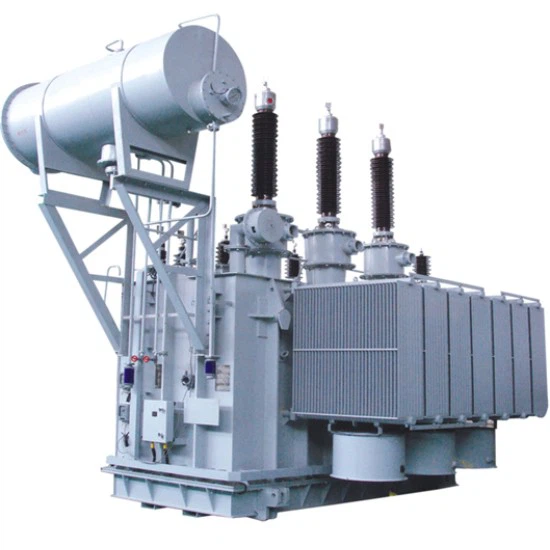

2. Load Characteristics
The nature of the load connected to the transformer also plays a significant role in tap changer selection. For example, if your load is highly sensitive to voltage variations, such as in a data center or a manufacturing facility with precision equipment, you need a tap changer that can provide accurate and rapid voltage regulation.
High - inrush loads, such as motors or transformers starting up, can cause temporary voltage drops. In such cases, the tap changer should be able to handle these transient conditions without malfunctioning. Additionally, if your load has a high power factor or is subject to frequent load changes, an on - load tap changer can help maintain stable voltage levels.
3. Transformer Rating
The rating of the custom power transformer, including its kVA rating, voltage rating, and current rating, is another important factor. The tap changer must be compatible with the transformer's electrical characteristics. For instance, the tap changer's current - carrying capacity should be sufficient to handle the maximum current that the transformer can deliver.
A mismatch between the transformer rating and the tap changer can lead to overheating, premature wear, and even failure of the tap changer. Therefore, it is essential to carefully review the transformer's specifications and select a tap changer that is designed to work within those parameters.
4. Environmental Conditions
The environment in which the transformer and tap changer will operate can also affect the selection. If the installation is in a harsh environment, such as a coastal area with high humidity and salt air, or an industrial setting with high levels of dust and pollutants, the tap changer should be designed to withstand these conditions.
Some tap changers are equipped with special enclosures or coatings to protect against corrosion, moisture, and dust. Additionally, extreme temperatures can impact the performance of the tap changer. In very cold or hot environments, the tap changer should be able to operate reliably without significant degradation in performance.
5. Maintenance and Serviceability
Maintenance requirements are an important consideration when selecting a tap changer. On - load tap changers generally require more frequent maintenance than off - load tap changers due to their more complex design and the fact that they operate under load.
Look for a tap changer that is easy to access and service. This includes features such as removable covers, accessible inspection ports, and clear labeling of components. Additionally, consider the availability of spare parts and technical support from the tap changer manufacturer. A reliable supplier should be able to provide prompt assistance in case of any issues.
Types of Tap Changers and Their Applications
On - Load Tap Changers (OLTC)
On - load tap changers are widely used in power distribution networks, industrial plants, and large commercial buildings. They are ideal for applications where continuous voltage regulation is necessary to ensure the proper operation of electrical equipment. For example, in a High Voltage Power Transformer, an OLTC can adjust the voltage to compensate for changes in the grid voltage, ensuring a stable supply to the end - users.
OLTCs are available in different designs, such as resistive and reactive tap changers. Resistive tap changers use resistors to limit the current during the tap - changing process, while reactive tap changers use reactors. The choice between the two depends on the specific requirements of the application, including the transformer rating and the load characteristics.
Off - Load Tap Changers
Off - load tap changers are typically used in applications where voltage adjustments are infrequent. They are commonly found in small - to medium - sized transformers, such as those used in residential and small commercial buildings. For example, in a Unit Substation Transformer, an off - load tap changer can be used to adjust the voltage during installation or when there are long - term changes in the power supply.
Off - load tap changers are simpler in design and more cost - effective than on - load tap changers. However, they require the transformer to be taken out of service for tap changes, which may not be suitable for applications where continuous power supply is critical.
Step - Voltage Regulators
Step - voltage regulators are a type of tap changer that can be used in conjunction with power transformers or as standalone devices. They are often used in distribution systems to regulate the voltage along a power line. Step - voltage regulators can provide fine - tuning of the voltage, compensating for voltage drops due to long transmission lines or varying loads.
These regulators are available in single - phase and three - phase configurations and can be either on - load or off - load types. They are particularly useful in rural areas or areas with a large number of small consumers, where maintaining a stable voltage can be challenging.
Working with a Custom Power Transformer Supplier
As a custom power transformer supplier, we have the expertise and experience to help you select the right tap changer for your specific application. We work closely with our customers to understand their electrical system requirements, load characteristics, and environmental conditions.
Our team of engineers can perform detailed calculations and simulations to determine the optimal tap changer configuration for your transformer. We also offer a wide range of tap changers from leading manufacturers, ensuring that you have access to high - quality and reliable products.
In addition to tap changer selection, we provide comprehensive support services, including installation, commissioning, and maintenance. Our goal is to ensure that your custom power transformer and tap changer operate efficiently and reliably throughout their service life.
Conclusion
Selecting the right tap changer for a custom power transformer is a complex but crucial process. By considering factors such as voltage regulation requirements, load characteristics, transformer rating, environmental conditions, and maintenance needs, you can make an informed decision that will optimize the performance of your electrical system.
If you are in the process of selecting a tap changer for your custom power transformer, we encourage you to contact us. Our team of experts is ready to assist you in finding the best solution for your specific requirements. Whether you need an on - load tap changer for a high - voltage application or an off - load tap changer for a small - scale installation, we have the knowledge and resources to help you make the right choice.
References
- Electric Power Substations Engineering, Third Edition by Turan Gonen
- Power System Analysis and Design, Fifth Edition by J. Duncan Glover, Mulukutla S. Sarma, and Thomas J. Overbye
- Transformer Engineering: Design, Technology, and Diagnostics by J. C. Das