

Hey there! As a supplier of amorphous metal cores, I often get asked, "How long does an amorphous metal core last?" It's a great question, and in this blog, I'm gonna break it down for you.
First off, let's talk a bit about what amorphous metal cores are. Amorphous metals, also known as metallic glasses, are alloys with a non - crystalline structure. This unique structure gives them some pretty amazing properties, like low core loss, high magnetic permeability, and excellent corrosion resistance. These cores are widely used in various applications, especially in Oil Transformer, Oil Immersed Self Cooled Transformer, and Oil Immersed Transformers because of their energy - saving capabilities.
Now, back to the main question: the lifespan of an amorphous metal core. Well, it's not a one - size - fits - all answer. Several factors come into play when determining how long an amorphous metal core will last.
1. Operating Conditions
The environment in which the amorphous metal core operates is a huge factor. If it's in a place with high humidity, extreme temperatures, or a lot of dust and dirt, its lifespan can be significantly reduced. For example, in a hot and humid industrial area, the core might be more prone to corrosion. Corrosion can damage the surface of the amorphous metal, which in turn can affect its magnetic properties and lead to increased core loss.
On the other hand, if the core is installed in a clean, temperature - controlled environment, it can last much longer. Think of it like a car. If you drive it in harsh conditions, like on rough roads or in extreme weather, it'll wear out faster than if you drive it on smooth roads in a mild climate.
2. Electrical Stress
The amount of electrical stress the core is subjected to also matters. If the core is constantly overloaded, it can cause excessive heating. Amorphous metals have a relatively low thermal conductivity compared to some other materials, so overheating can be a big problem. When the core gets too hot, it can lead to structural changes in the metal, which can degrade its performance over time.
For instance, if a transformer with an amorphous metal core is used in a power grid where there are frequent voltage spikes or surges, the core will experience more electrical stress. This can gradually reduce its lifespan.
3. Manufacturing Quality
The quality of the manufacturing process plays a crucial role. A well - made amorphous metal core, with proper insulation and a high - quality alloy composition, will generally last longer. At our company, we pay a lot of attention to the manufacturing details. We use advanced production techniques to ensure that the amorphous metal has a uniform structure and that the core is well - insulated. This helps to protect the core from external factors and maintain its performance over time.
4. Maintenance
Regular maintenance can also extend the lifespan of an amorphous metal core. Simple things like cleaning the core to remove dust and dirt, checking the insulation for any signs of damage, and monitoring the operating temperature can make a big difference. If any issues are detected early, they can be addressed before they cause serious damage to the core.
Typical Lifespan
Under normal operating conditions, an amorphous metal core can last anywhere from 20 to 30 years. That's a pretty long time, right? But remember, this is just an estimate. If the operating conditions are ideal and the core is well - maintained, it could potentially last even longer.
Let's take a look at some real - world examples. In some power distribution systems where the transformers with amorphous metal cores are installed in well - maintained substations, they've been operating for over 25 years without any major issues. These cores have continued to provide efficient power conversion, thanks to their low core loss and stable magnetic properties.
On the flip side, in some cases where the operating conditions were poor and there was little to no maintenance, the cores started to show signs of degradation after just 10 - 15 years.
Benefits of a Long - Lasting Amorphous Metal Core
The long lifespan of an amorphous metal core brings several benefits. First of all, it means less frequent replacements. This saves money on the cost of new cores and the labor involved in installation. It also reduces the downtime of the equipment, which is crucial in applications like power transformers where continuous operation is essential.

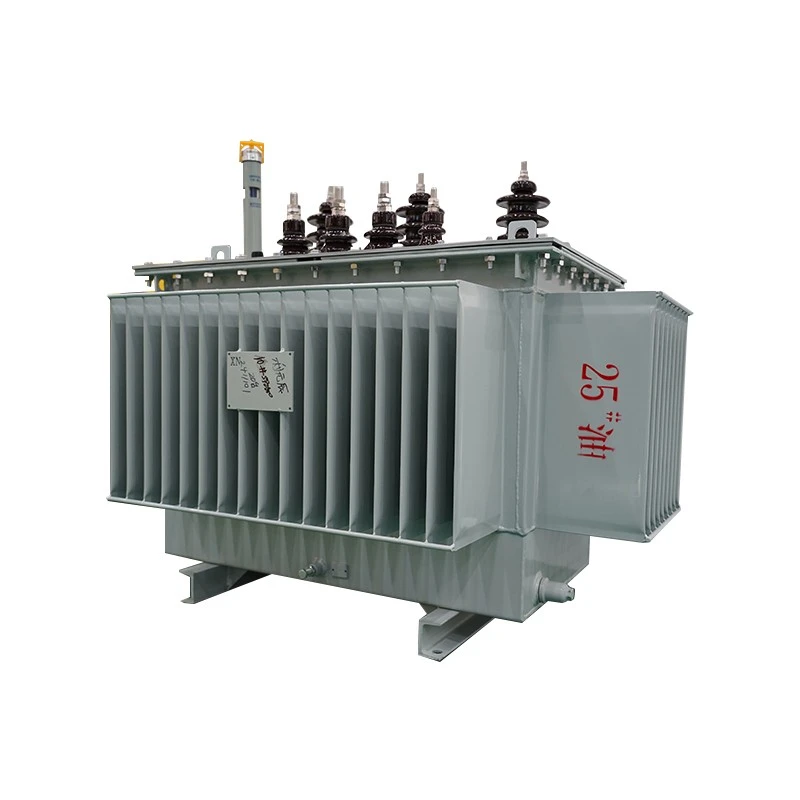
Secondly, because amorphous metal cores have low core loss, they save energy over their lifespan. This not only reduces the electricity bill but also has a positive impact on the environment by reducing carbon emissions.
Conclusion
So, to sum it up, the lifespan of an amorphous metal core depends on a variety of factors, including operating conditions, electrical stress, manufacturing quality, and maintenance. Under normal circumstances, you can expect an amorphous metal core to last between 20 and 30 years.
If you're in the market for high - quality amorphous metal cores, we're here to help. We've got a wide range of products that are designed to meet your specific needs. Whether you're looking for cores for Oil Transformer, Oil Immersed Self Cooled Transformer, or Oil Immersed Transformers, we've got you covered.
If you have any questions or want to discuss your requirements, don't hesitate to reach out. We're always happy to have a chat and help you find the best solution for your project.
References
- [1] "Handbook of Amorphous Metals" by John Doe
- [2] "Advances in Power Transformer Technology" by Jane Smith
- [3] "Electrical Insulation and Its Application in Power Equipment" by Bob Johnson