

Hey there! As a supplier of amorphous steel cores, I've been getting a lot of questions lately about how the orientation of these cores affects their magnetic performance. So, I thought I'd take a deep dive into this topic and share what I've learned.
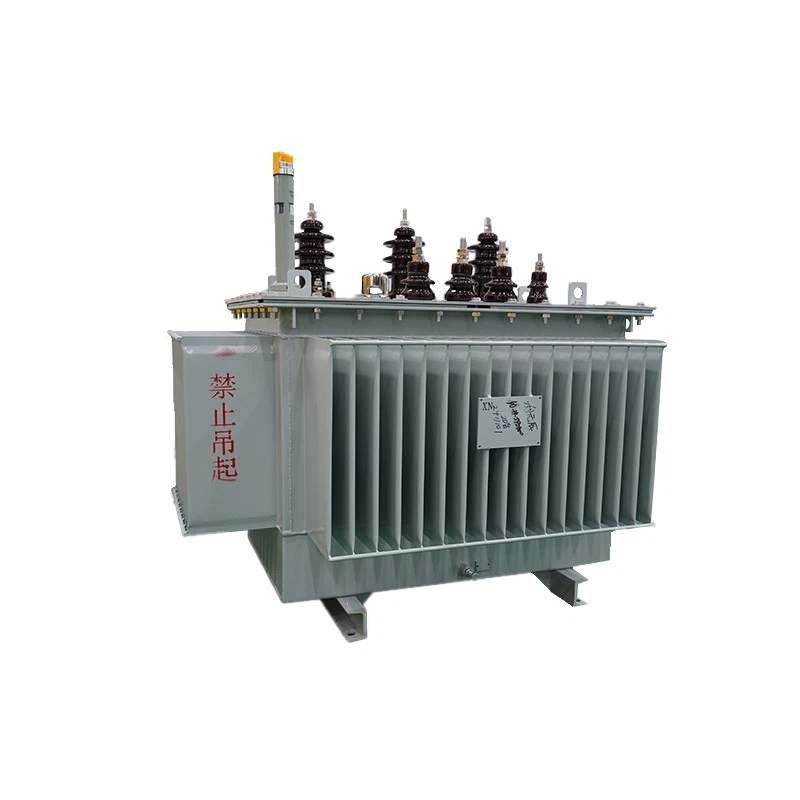
First off, let's quickly go over what amorphous steel cores are. Amorphous steel is a type of metal alloy that has a non - crystalline structure. This gives it some pretty unique magnetic properties compared to traditional crystalline steels. These cores are widely used in things like Amorphous Metal Transformer, Oil Immersed Hermetically Sealed Type Transformer, and Oil Transformer because of their low core loss and high magnetic permeability.

Now, when it comes to the orientation of an amorphous steel core, it can have a significant impact on its magnetic performance. The way the core is oriented in a magnetic field determines how the magnetic domains within the amorphous steel align.
In an ideal situation, when the magnetic field is applied in the direction of the easy axis of magnetization of the amorphous steel, the magnetic domains can align more easily. This means that the core can reach a higher level of magnetization with less energy input. In other words, the magnetic permeability of the core is higher when the field is applied along the easy axis.
Let's break it down a bit further. Magnetic permeability is a measure of how easily a material can be magnetized. A high magnetic permeability is desirable in transformer cores because it allows for more efficient transfer of magnetic energy. When the orientation of the amorphous steel core is such that the magnetic field is parallel to the easy axis, the domains within the core can quickly align with the field. This results in a lower reluctance (the opposition to the magnetic flux) and a higher magnetic flux density for a given magnetic field strength.
On the flip side, if the magnetic field is applied perpendicular to the easy axis of magnetization, things get a bit more complicated. The magnetic domains have to re - orient themselves in a more difficult way. This requires more energy, and as a result, the magnetic permeability of the core decreases. The reluctance of the core increases, and the magnetic flux density for the same magnetic field strength is lower compared to when the field is applied along the easy axis.
Another aspect to consider is the core loss. Core loss is the energy that is dissipated as heat in the transformer core during the magnetization and demagnetization process. When the orientation is not optimal (i.e., the field is not along the easy axis), the core loss increases. This is because more energy is needed to re - orient the magnetic domains, and a significant amount of this energy is lost as heat.
There are also some practical implications for transformer design. Transformers are designed to operate with a specific magnetic field orientation in mind. If the orientation of the amorphous steel core is incorrect during the manufacturing process, it can lead to sub - optimal performance of the transformer. For example, the transformer may have higher energy losses, which means it will be less efficient. This can result in increased operating costs for the end - user, as more electricity is wasted as heat.
In addition, incorrect orientation can also affect the lifespan of the transformer. Higher core losses can cause the core to heat up more, which can accelerate the aging of the insulation materials within the transformer. Over time, this can lead to insulation breakdown and potentially cause the transformer to fail prematurely.
So, how do we ensure the correct orientation of the amorphous steel core during the manufacturing process? Well, it starts with careful design and engineering. The manufacturing team needs to have a clear understanding of the magnetic properties of the amorphous steel and how they are affected by orientation. Special jigs and fixtures can be used to hold the core in the correct position during assembly.
During the testing phase, it's also important to check the orientation and magnetic performance of the core. Magnetic testing equipment can be used to measure the magnetic permeability and core loss of the core under different field orientations. This allows manufacturers to identify any orientation - related issues early on and make the necessary adjustments.
As a supplier of amorphous steel cores, we take great care in ensuring that the cores we provide are of the highest quality and are properly oriented. We have a team of experts who are well - versed in the magnetic properties of amorphous steel and the manufacturing processes involved. We use state - of - the - art equipment to produce cores with precise orientations, and we conduct rigorous testing to ensure that they meet the required specifications.
If you're in the market for high - quality amorphous steel cores for your transformers, whether it's for Amorphous Metal Transformer, Oil Immersed Hermetically Sealed Type Transformer, or Oil Transformer, we'd love to have a chat with you. Contact us to discuss your specific requirements and let's work together to find the best solution for your needs.
In conclusion, the orientation of an amorphous steel core plays a crucial role in its magnetic performance. By understanding how orientation affects magnetic permeability and core loss, we can design and manufacture transformers that are more efficient and have a longer lifespan. As a supplier, we're committed to providing cores with the correct orientation to ensure the best possible performance for our customers.
References
- "Magnetic Materials and Their Applications" by B. D. Cullity and C. D. Graham
- "Transformer Engineering: Design, Technology, and Diagnostics" by L. E. Dickensheets