

Yo, what's up! I'm an amorphous steel core supplier, and today I wanna chat about how the magnetic field strength affects the performance of an amorphous steel core. It's a super important topic in the electrical industry, and understanding this relationship can really help you make better decisions when it comes to choosing the right components for your electrical systems.
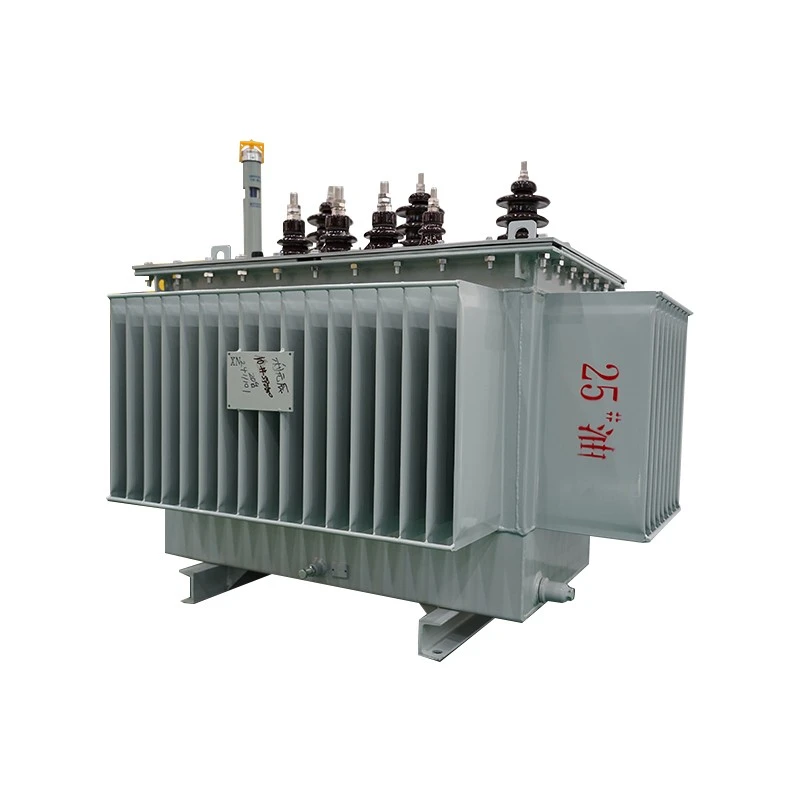
First off, let's talk a bit about what amorphous steel cores are. Amorphous steel is a special type of steel that has a disordered atomic structure. This gives it some really cool properties, like low core loss and high magnetic permeability. These cores are widely used in transformers, like Three Phase Transformer, Oil Immersed Self Cooled Transformer, and Three Phase Oil Immersed Transformer, because they can significantly improve the efficiency of these devices.
Now, let's get into the nitty - gritty of how magnetic field strength comes into play. The magnetic field strength, often denoted as H, is a measure of the intensity of the magnetic field in a given area. In an amorphous steel core, the magnetic field strength has a direct impact on several key performance aspects.
One of the most important things affected by magnetic field strength is core loss. Core loss is basically the energy that's wasted in the form of heat when the magnetic field in the core changes. Amorphous steel cores are known for their low core loss, but this property is highly dependent on the magnetic field strength. At low magnetic field strengths, the core loss of amorphous steel cores is extremely low. This is because the disordered atomic structure allows the magnetic domains in the steel to realign easily with the changing magnetic field, without much energy being dissipated as heat.
However, as the magnetic field strength increases, the core loss starts to go up. When the magnetic field gets too strong, the magnetic domains in the amorphous steel have a harder time realigning. They start to experience more friction and resistance, which leads to an increase in energy dissipation and thus higher core loss. This is a crucial factor to consider, especially in high - power applications where the magnetic field strength can be quite high. If the core loss is too high, it can lead to overheating of the transformer or other electrical devices, reducing their efficiency and lifespan.
Another aspect affected by magnetic field strength is the magnetic saturation of the amorphous steel core. Magnetic saturation occurs when the magnetic material can no longer increase its magnetization in response to an increasing magnetic field. In an amorphous steel core, the saturation point is related to the magnetic field strength. At low magnetic field strengths, the magnetization of the core increases linearly with the magnetic field. But as the magnetic field strength approaches the saturation point, the magnetization curve starts to flatten out.
Once the core reaches magnetic saturation, any further increase in the magnetic field strength won't result in a significant increase in magnetization. This can be a problem in transformers because it can cause distortion in the output voltage and current. For example, if a transformer's amorphous steel core saturates during operation, the output waveform may become distorted, leading to poor power quality.
The magnetic permeability of the amorphous steel core is also influenced by the magnetic field strength. Magnetic permeability is a measure of how easily a magnetic material can be magnetized. In amorphous steel cores, the magnetic permeability is relatively high at low magnetic field strengths. This high permeability allows the core to efficiently transfer magnetic energy, which is essential for the proper functioning of transformers.
As the magnetic field strength increases, the magnetic permeability of the amorphous steel core starts to decrease. This is because the increasing magnetic field disrupts the alignment of the magnetic domains, reducing their ability to enhance the magnetic field. A decrease in magnetic permeability means that the core becomes less effective at transferring magnetic energy, which can again lead to a decrease in the efficiency of the electrical device.
Now, you might be wondering how you can optimize the performance of an amorphous steel core in different magnetic field strength scenarios. Well, one way is to carefully design the electrical device to operate within the optimal magnetic field strength range for the amorphous steel core. This might involve choosing the right number of turns in the transformer's coils, adjusting the input voltage, or using additional magnetic shielding to control the magnetic field strength.
Another important consideration is the quality of the amorphous steel itself. As a supplier, I know that not all amorphous steel is created equal. High - quality amorphous steel has better magnetic properties and can tolerate higher magnetic field strengths without experiencing excessive core loss or saturation. So, when you're sourcing amorphous steel cores, it's crucial to choose a reliable supplier who can provide you with top - notch products.
In addition, regular maintenance and monitoring of the electrical devices using amorphous steel cores are essential. By regularly checking the temperature, power consumption, and output waveforms of the devices, you can detect any signs of abnormal performance due to changes in the magnetic field strength. This allows you to take corrective actions before any serious damage occurs.

In conclusion, the magnetic field strength has a profound impact on the performance of an amorphous steel core. It affects core loss, magnetic saturation, magnetic permeability, and ultimately the efficiency and power quality of electrical devices like transformers. As a supplier, I'm always here to help you understand these factors and choose the right amorphous steel cores for your specific applications.
If you're in the market for high - quality amorphous steel cores or have any questions about how they perform under different magnetic field strengths, don't hesitate to reach out. We can have a chat about your requirements and figure out the best solutions for your electrical projects. Whether you're working on a small - scale electrical device or a large - scale power grid application, we've got the expertise and products to meet your needs. So, let's start a conversation and see how we can work together to optimize your electrical systems.
References
- Cullity, B. D., & Graham, C. D. (2008). Introduction to Magnetic Materials. Wiley - Interscience.
- Grover, F. W. (1946). Inductance Calculations: Working Formulas and Tables. Dover Publications.