

Hey there! As a supplier of amorphous steel cores, I've been getting a lot of questions lately about how these cores perform in high - temperature environments. So, I thought I'd sit down and write this blog to share some insights.
First off, let's quickly go over what amorphous steel cores are. Amorphous steel is a type of metal alloy that has a non - crystalline atomic structure. This gives it some pretty unique properties compared to traditional crystalline steels. It has lower core losses, which means less energy is wasted as heat during the operation of electrical equipment like transformers.
Now, when it comes to high - temperature environments, things can get a bit tricky. Most electrical components are sensitive to heat, and amorphous steel cores are no exception. But the good news is that they have some features that allow them to hold up relatively well.
One of the key factors is the thermal stability of amorphous steel. The non - crystalline structure provides a certain level of resistance to thermal expansion. In a high - temperature environment, normal crystalline materials tend to expand more as the temperature rises. This expansion can cause mechanical stress on the components, potentially leading to issues like cracking or misalignment. Amorphous steel, on the other hand, has a lower coefficient of thermal expansion. This means that it expands less when heated, reducing the risk of mechanical damage.
However, it's important to note that there are limits. As the temperature keeps going up, the performance of amorphous steel cores will start to degrade. The core losses, which are already low under normal conditions, will increase. This is because the increased temperature causes more atomic vibrations within the material. These vibrations interfere with the flow of magnetic fields, leading to higher energy losses in the form of heat.
In power transformers, such as Oil Transformer and Oil Immersed Transformers, the performance of amorphous steel cores at high temperatures is crucial. Transformers generate heat during their operation, and in some industrial settings or hot climates, the ambient temperature can be quite high. If the core losses increase significantly due to high temperatures, it can lead to a decrease in the overall efficiency of the transformer. This not only wastes energy but also means that the transformer may need to work harder to deliver the same amount of power, potentially shortening its lifespan.
Another aspect to consider is the insulation around the amorphous steel core. In high - temperature environments, the insulation materials can also be affected. Insulation is used to prevent electrical short - circuits and to protect the core. But high temperatures can cause the insulation to deteriorate over time. This can lead to issues like partial discharges, which can further damage the core and other components of the transformer.

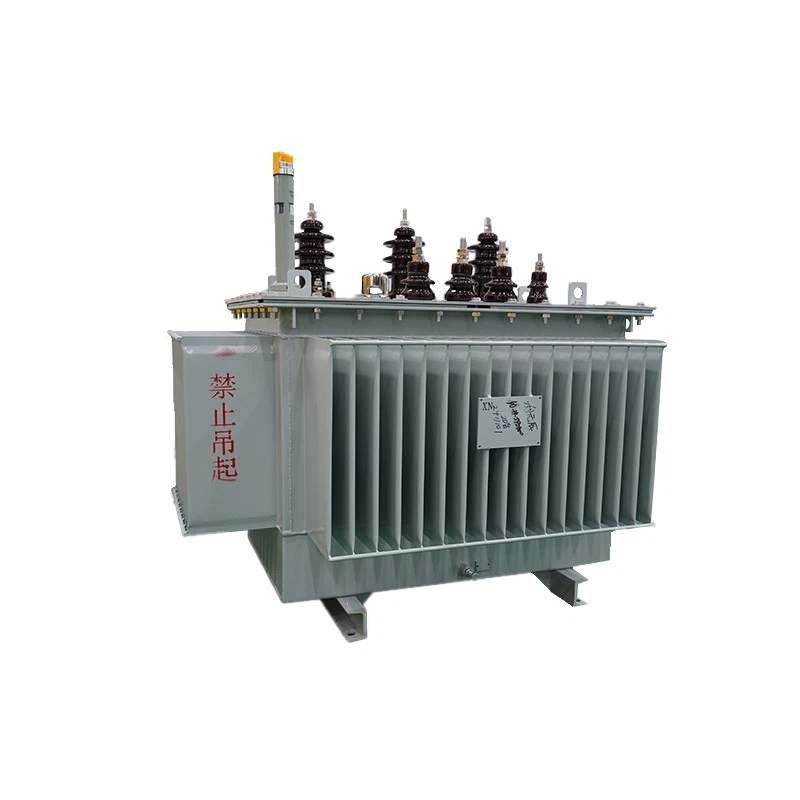
There are some ways to mitigate the effects of high temperatures on amorphous steel cores. One common approach is to use cooling systems. For example, Oil Immersed Hermetically Sealed Type Transformer use oil as a coolant. The oil absorbs the heat generated by the core and transfers it to the outside of the transformer. This helps to keep the temperature of the core within an acceptable range.
We've also been working on improving the design of our amorphous steel cores to enhance their high - temperature performance. By adjusting the alloy composition and the manufacturing process, we can increase the thermal stability of the cores. This allows them to maintain lower core losses even at higher temperatures.
In addition, proper installation and maintenance are essential. When installing a transformer with an amorphous steel core in a high - temperature environment, it's important to ensure that there is adequate ventilation. This helps to dissipate the heat more effectively. Regular maintenance, such as checking the oil level and quality in oil - cooled transformers, can also help to detect and address any potential issues early on.
To sum it up, amorphous steel cores have some advantages in high - temperature environments due to their lower coefficient of thermal expansion. But as the temperature rises, their performance will degrade, mainly in terms of increased core losses. By using cooling systems, improving the core design, and following proper installation and maintenance procedures, we can minimize these effects.
If you're in the market for amorphous steel cores and want to learn more about how they can perform in your specific high - temperature application, I'd love to chat. Whether you're involved in power generation, distribution, or any other electrical industry, we can work together to find the best solution for your needs. Don't hesitate to reach out for more information or to start a procurement discussion.
References
- "Handbook of Amorphous Metals"
- "Thermal Properties of Electrical Materials"
- Industry reports on transformer technology and performance