

Amorphous metal cores have gained significant popularity in various electrical devices due to their superior magnetic properties, such as low core loss and high permeability. As a trusted amorphous metal core supplier, I understand the importance of a proper installation process to ensure the optimal performance of these cores in different devices. In this blog post, I will guide you through the steps of installing an amorphous metal core in a device, highlighting key considerations and best practices along the way.
Understanding Amorphous Metal Cores
Before diving into the installation process, it's essential to have a basic understanding of amorphous metal cores. Amorphous metals are alloys with a non - crystalline atomic structure, which gives them unique magnetic characteristics compared to traditional crystalline magnetic materials. These cores are commonly used in transformers, inductors, and other power electronics devices to improve energy efficiency and reduce heat generation.
Preparation Before Installation
- Device Inspection: Thoroughly examine the device where the amorphous metal core will be installed. Check for any physical damage, debris, or irregularities in the core mounting area. Ensure that the dimensions of the core match the device's specifications.
- Safety Precautions: Wear appropriate personal protective equipment (PPE), such as gloves and safety glasses, to prevent injuries during the installation process. Make sure the device is powered off and disconnected from the electrical supply to avoid electrical hazards.
- Gather Tools and Materials: Collect all the necessary tools and materials for the installation, including screwdrivers, wrenches, insulating materials, and adhesives if required. Having everything ready in advance will streamline the installation process.
Step - by - Step Installation Process
Step 1: Positioning the Core
- Identify the Mounting Location: Refer to the device's technical documentation to determine the exact location where the amorphous metal core should be placed. This location is crucial for the proper functioning of the device and may be designed to optimize magnetic coupling and minimize interference.
- Align the Core: Carefully place the amorphous metal core in the designated mounting area, ensuring that it is properly aligned. Use alignment marks or guides on the device if available. Misalignment can lead to increased core loss and reduced performance.
Step 2: Securing the Core
- Mechanical Fastening: If the device uses mechanical fasteners, such as screws or bolts, insert them through the holes in the core and the mounting surface. Tighten the fasteners evenly to avoid uneven stress on the core, which could cause cracking or deformation. Do not overtighten the fasteners, as this can also damage the core.
- Adhesive Bonding: In some cases, adhesive bonding may be used to secure the core. Apply a suitable adhesive to the mounting surface and the core, following the manufacturer's instructions. Allow the adhesive to cure for the recommended time before proceeding with further installation steps.
Step 3: Electrical Connections
- Insulation Inspection: Before making any electrical connections, inspect the insulation on the core and the connecting wires. Ensure that the insulation is intact and free from damage.
- Connecting Wires: Connect the electrical wires to the appropriate terminals on the amorphous metal core. Use proper crimping or soldering techniques to ensure a secure and low - resistance connection. Make sure the connections are insulated to prevent short - circuits.
Step 4: Testing and Verification
- Visual Inspection: After the installation is complete, perform a visual inspection to ensure that all components are properly installed and there are no loose connections or visible damage.
- Electrical Testing: Power on the device and conduct electrical tests to verify the performance of the amorphous metal core. Measure parameters such as core loss, inductance, and magnetic field strength to ensure that they meet the device's specifications.
Considerations for Different Devices
Transformers
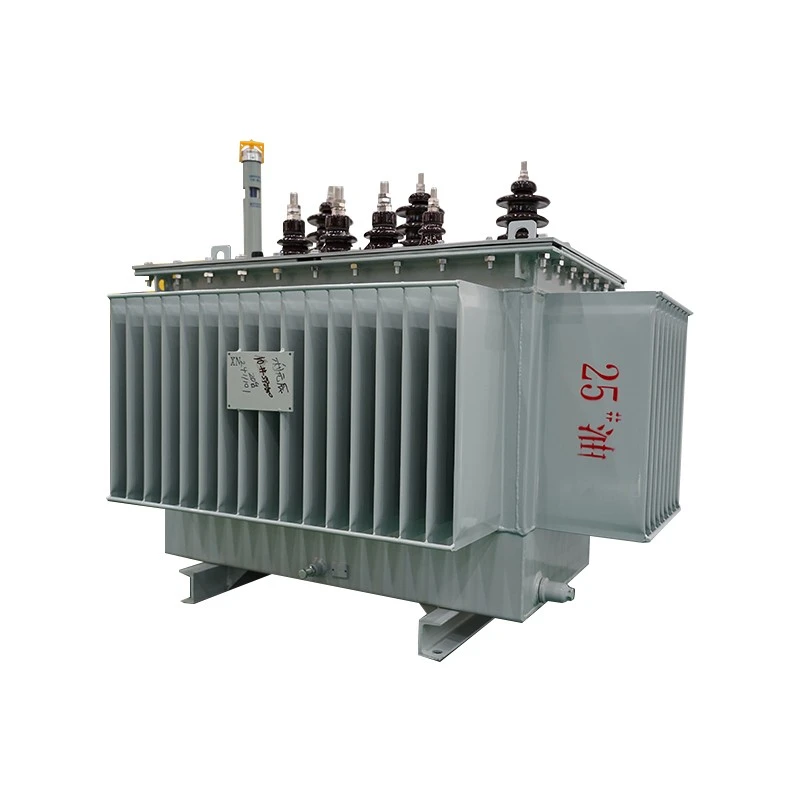
- Oil - Immersed Transformers: In Oil Immersed Hermetically Sealed Type Transformer and Three Phase Oil Immersed Transformer, the amorphous metal core must be installed in a clean and dry environment. After installation, the transformer should be filled with insulating oil, and the oil level should be checked regularly.
- Oil - Immersed Self - Cooled Transformers: For Oil Immersed Self Cooled Transformer, proper ventilation and cooling channels should be maintained around the core to ensure efficient heat dissipation.
Inductors
- Core Orientation: The orientation of the amorphous metal core in an inductor can affect its performance. Make sure to follow the manufacturer's recommendations regarding core orientation during installation.
- Magnetic Shielding: In some applications, magnetic shielding may be required to reduce electromagnetic interference. Install the shielding materials around the core as per the design requirements.
Maintenance and Troubleshooting
- Regular Maintenance: Schedule regular maintenance checks for the device with the amorphous metal core. Inspect the core for signs of wear, damage, or overheating. Clean the core and its surroundings to prevent the accumulation of dust and debris.
- Troubleshooting: If you encounter any issues with the device's performance, such as increased core loss or abnormal noise, first check the installation for loose connections or misalignment. If the problem persists, consult the device's technical documentation or contact a professional for further assistance.
Conclusion
Installing an amorphous metal core in a device requires careful planning, attention to detail, and adherence to safety procedures. By following the steps outlined in this blog post and considering the specific requirements of different devices, you can ensure a successful installation and optimal performance of the amorphous metal core.
As a leading amorphous metal core supplier, we are committed to providing high - quality products and technical support. If you are interested in purchasing amorphous metal cores for your devices or have any questions about the installation process, please feel free to contact us for further discussion and procurement. We look forward to working with you to meet your specific needs.

References
- "Handbook of Amorphous Metals" by various authors
- Manufacturer's technical documentation for amorphous metal cores and related devices