

Hey there! As a supplier of Amorphous Metal Transformers, I've seen firsthand how these nifty devices can make a huge difference in a facility's energy consumption. So, let's dive into how Amorphous Metal Transformers affect the overall energy use of a place.
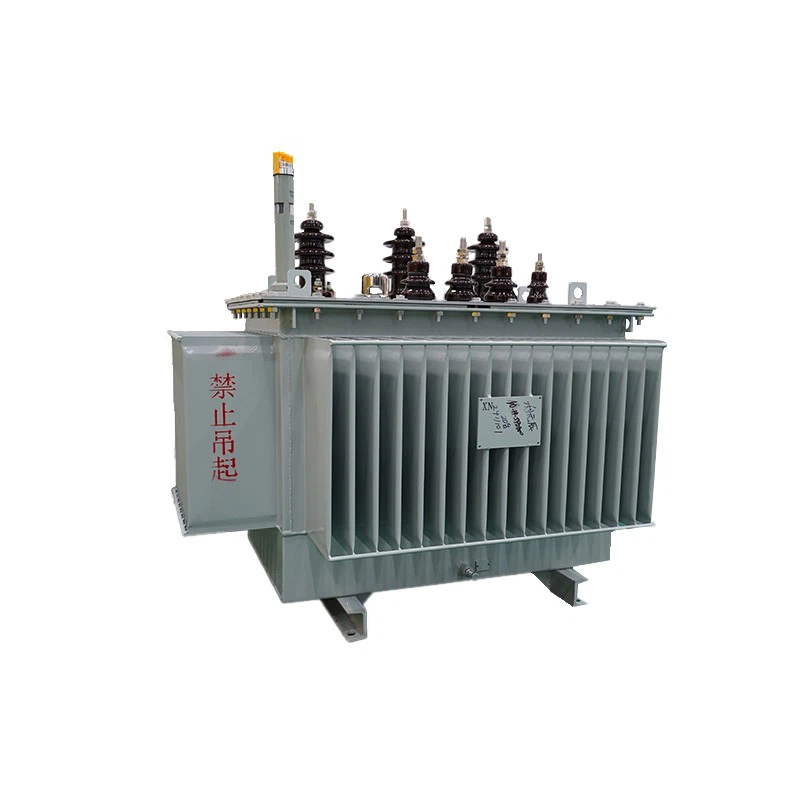
First off, what exactly is an Amorphous Metal Transformer? Well, it's a type of power transformer that uses amorphous metal in its core. You can learn more about it Amorphous Metal Transformer. Unlike traditional transformers with crystalline cores, amorphous metal has a disordered atomic structure. This unique structure gives it some pretty amazing electrical properties.
One of the key benefits of Amorphous Metal Transformers is their low core loss. Core loss is the energy that gets wasted as heat in the transformer's core when it's operating. In traditional transformers, a significant amount of energy is lost this way. But with Amorphous Metal Transformers, the core loss can be up to 70% lower than that of conventional transformers. That's a massive reduction!
Let's say you're running a big industrial facility. You've got all sorts of machinery and equipment that rely on electricity. And you've got transformers to step down the voltage from the power grid to a level that your equipment can use. If you're using traditional transformers, a lot of energy is being lost as heat in those transformers. But if you switch to Amorphous Metal Transformers, you can save a ton of energy.
For example, let's assume a medium - sized industrial facility has a few transformers running 24/7. Each traditional transformer might be losing, say, 10 kilowatts of power due to core loss. If you replace those with Amorphous Metal Transformers, you could cut that loss down to just 3 kilowatts per transformer. Multiply that by the number of transformers in your facility and the number of hours they run, and you're looking at some serious energy savings over time.
Another aspect to consider is the efficiency of Amorphous Metal Transformers at partial loads. In many facilities, the electrical load isn't constant throughout the day. There are peak hours when the demand is high, and off - peak hours when it's low. Traditional transformers are often designed to be most efficient at full load. But in real - world scenarios, they often operate at partial loads, where their efficiency drops.
Amorphous Metal Transformers, on the other hand, maintain a high level of efficiency even at partial loads. This means that even when your facility isn't using as much electricity, the transformers are still operating efficiently and not wasting a lot of energy. It's like having a car that gets great gas mileage whether you're driving on the highway or in stop - and - go traffic.
Now, let's talk about the impact on the power grid. When a facility uses Amorphous Metal Transformers and reduces its energy consumption, it also eases the burden on the power grid. The power grid has to generate and transmit a certain amount of electricity to meet the demand of all the consumers. If more facilities start using energy - efficient transformers like Amorphous Metal Transformers, the overall demand on the grid decreases.

This can have a positive ripple effect. Power plants don't have to generate as much electricity, which means less fuel is burned. This is not only good for the environment but also helps in reducing the cost of electricity generation. And when the cost of generation goes down, there's a possibility that the cost of electricity for consumers could also come down in the long run.
But it's not just industrial facilities that can benefit from Amorphous Metal Transformers. Commercial buildings like offices, shopping malls, and hospitals can also see significant energy savings. In an office building, for instance, there are a lot of lights, computers, and other electrical devices. By using Amorphous Metal Transformers, the building can reduce its overall energy consumption and lower its electricity bills.
Even in residential areas, where there are distribution transformers, the use of Amorphous Metal Transformers can lead to energy savings. These transformers are responsible for supplying electricity to multiple households. By reducing the energy loss in these transformers, the overall energy consumption of the neighborhood can be decreased.
Now, you might be wondering about the cost. Amorphous Metal Transformers are generally more expensive to purchase than traditional transformers. However, when you factor in the long - term energy savings, the payback period can be relatively short. You'll start seeing the savings on your electricity bills within a few years, and over the life of the transformer, the savings can be substantial.
There are also different types of Amorphous Metal Transformers available. For example, there are Oil Immersed Hermetically Sealed Type Transformer and Oil Immersed Transformers. The oil - immersed design helps in better heat dissipation, which is important for the efficient operation of the transformer.
In addition to energy savings, Amorphous Metal Transformers are also more environmentally friendly. Since they consume less energy, there's less demand for fossil fuels to generate electricity. This means lower greenhouse gas emissions, which is great for the planet.
If you're a facility manager, an engineer, or someone responsible for the energy management of a place, you should seriously consider switching to Amorphous Metal Transformers. Not only will you be doing your part for the environment, but you'll also be saving money in the long run.
So, if you're interested in learning more about how Amorphous Metal Transformers can benefit your facility or if you're thinking about making a purchase, don't hesitate to reach out. We're here to help you make the right decision and get the most out of these amazing transformers.
In conclusion, Amorphous Metal Transformers have a profound impact on the overall energy consumption of a facility. They offer significant energy savings, operate more efficiently at partial loads, and are better for the environment. Whether you're running a small business or a large industrial complex, switching to Amorphous Metal Transformers is a smart move.
References
- "Energy - efficient Transformers: A Guide to Reducing Energy Losses", U.S. Department of Energy
- "Amorphous Metal Transformers: Technology and Applications", IEEE Power & Energy Magazine