

In the realm of power distribution and electrical infrastructure, transformers play a pivotal role. They are the silent workhorses that ensure the efficient and safe transfer of electrical energy from one circuit to another. Among the various types of transformers available in the market, ester filled transformers have emerged as a compelling option, sparking a debate on whether they are more reliable than other types. As a supplier of ester filled transformers, I am well - versed in the technology and the advantages it offers, and I am eager to share my insights on this topic.
Understanding Different Types of Transformers
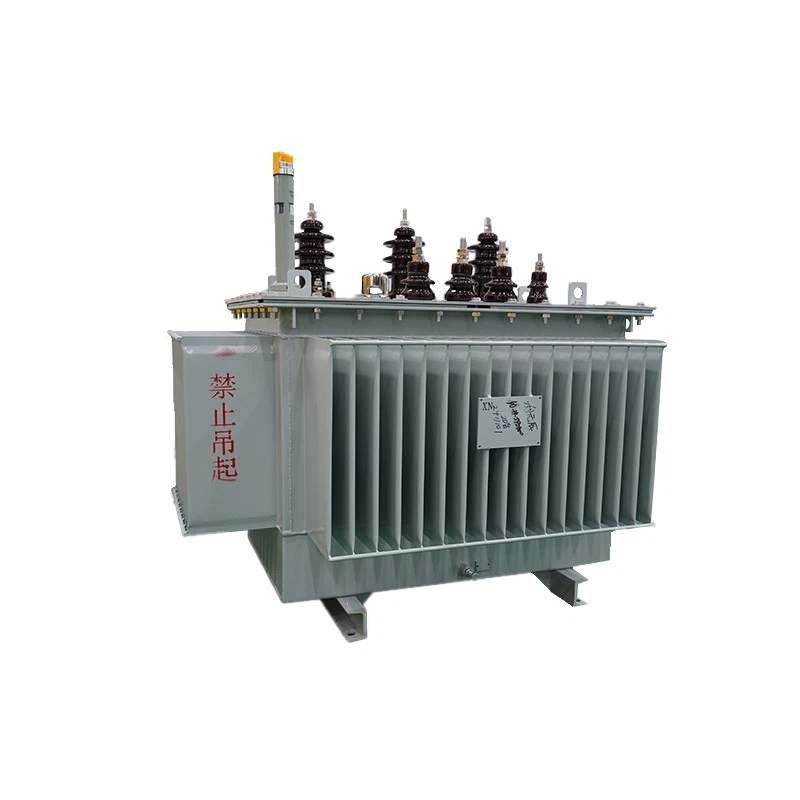
Before delving into the reliability comparison, it's essential to understand the different types of transformers commonly used. The most prevalent ones are oil - filled transformers, which come in various subtypes such as Oil Immersed Hermetically Sealed Type Transformer, Three Phase Oil Immersed Transformer, and Oil Immersed Self Cooled Transformer. These transformers use mineral oil as an insulating and cooling medium. Mineral oil has been the traditional choice for many decades due to its good dielectric properties and relatively low cost.
On the other hand, ester filled transformers use natural or synthetic esters as the insulating and cooling fluid. Esters are organic compounds that have unique chemical and physical properties that set them apart from mineral oil.
Reliability Factors of Transformers
Reliability in transformers can be evaluated based on several key factors, including dielectric strength, fire safety, environmental impact, and long - term maintenance requirements.
Dielectric Strength
Dielectric strength is a measure of a material's ability to withstand electrical stress without breaking down. Ester fluids have a higher dielectric strength compared to mineral oil. This means that ester filled transformers can operate at higher voltages and under more demanding electrical conditions without the risk of electrical breakdown. In high - voltage applications, where the margin for error is slim, the superior dielectric strength of esters provides an added layer of reliability. For example, in areas with unstable power grids or high - demand industrial facilities, ester filled transformers are less likely to experience insulation failures, ensuring continuous power supply.
Fire Safety
Fire safety is a critical aspect of transformer reliability, especially in urban and industrial areas where the consequences of a transformer fire can be catastrophic. Mineral oil is highly flammable, and in the event of a fault or overheating, there is a significant risk of fire. In contrast, esters have a much higher fire point. Natural esters, for instance, have a fire point of around 300°C, while synthetic esters can have an even higher fire point. This means that ester filled transformers are less likely to ignite in case of a malfunction, reducing the risk of property damage, environmental harm, and disruption of power supply.
Environmental Impact
In today's environmentally conscious world, the environmental impact of electrical equipment is an important consideration. Mineral oil is a petroleum - based product, and its production and disposal can have a negative impact on the environment. Spills of mineral oil can contaminate soil and water sources, and the disposal of used mineral oil requires special handling to comply with environmental regulations. Esters, on the other hand, are biodegradable. Natural esters are derived from renewable resources such as vegetable oils, making them a more sustainable choice. The use of ester filled transformers reduces the environmental footprint and ensures compliance with strict environmental standards, which is an important factor for long - term reliability in a regulatory context.
Long - Term Maintenance Requirements
Maintenance is an inevitable part of transformer operation, and the frequency and complexity of maintenance tasks can affect the overall reliability of the transformer. Mineral oil transformers require regular monitoring of oil quality, including testing for moisture content, acidity, and dielectric strength. Over time, mineral oil can degrade due to oxidation and contamination, necessitating oil replacement. Ester filled transformers, however, are more resistant to oxidation and have better moisture tolerance. This means that the maintenance intervals can be longer, and the overall maintenance requirements are less onerous. Reduced maintenance not only saves time and money but also minimizes the risk of human error during maintenance procedures, further enhancing the reliability of ester filled transformers.

Real - World Performance
In real - world applications, ester filled transformers have proven their reliability. Many utilities and industrial companies have reported fewer incidents of failures and outages with ester filled transformers compared to their mineral oil counterparts. For example, in some rural areas where transformers are exposed to harsh environmental conditions such as extreme temperatures and humidity, ester filled transformers have shown better performance and longer service life. Additionally, in areas with strict fire safety regulations, the use of ester filled transformers has allowed for the installation of transformers in closer proximity to buildings and populated areas, without compromising safety.
Challenges and Considerations
While ester filled transformers offer many reliability advantages, there are also some challenges and considerations. One of the main challenges is the higher initial cost. Esters are more expensive than mineral oil, which can increase the upfront investment for a transformer. However, when considering the long - term benefits such as reduced maintenance costs, lower fire risk, and environmental compliance, the total cost of ownership of ester filled transformers can be comparable or even lower than that of mineral oil transformers.
Another consideration is the compatibility of esters with existing transformer materials. In some cases, minor modifications may be required to ensure the proper functioning of the transformer with ester fluid. However, these issues can be addressed during the design and manufacturing process, and most modern ester filled transformers are designed to be fully compatible with standard transformer components.
Conclusion
In conclusion, ester filled transformers offer several advantages in terms of reliability compared to other types of transformers. Their superior dielectric strength, fire safety, environmental friendliness, and lower long - term maintenance requirements make them a more reliable choice, especially in demanding applications. While there are some challenges such as higher initial cost and compatibility issues, these can be outweighed by the long - term benefits.
If you are in the market for a reliable transformer solution, I encourage you to consider ester filled transformers. Our company specializes in the production of high - quality ester filled transformers that are designed to meet the most stringent reliability standards. Whether you are a utility company, an industrial facility, or a commercial establishment, our transformers can provide you with the peace of mind that comes with a reliable power supply. Contact us today to discuss your specific requirements and explore how our ester filled transformers can meet your needs.
References
- "Transformer Insulating Liquids: A Review of Mineral Oil Alternatives" - IEEE Transactions on Dielectrics and Electrical Insulation
- "Fire Safety Aspects of Transformer Fluids" - International Journal of Fire and Materials
- "Environmental Impact Assessment of Electrical Transformers" - Journal of Environmental Management